What makes a steam enclosure different
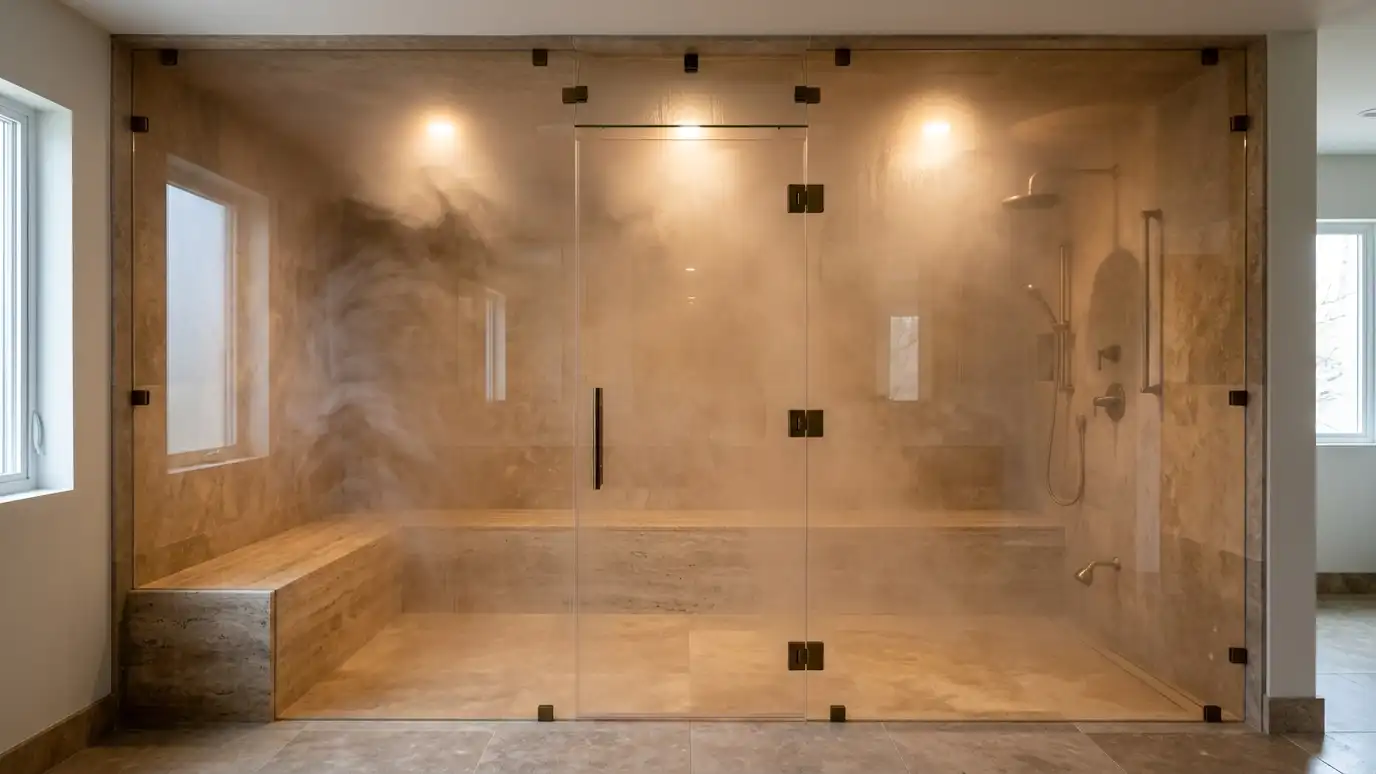
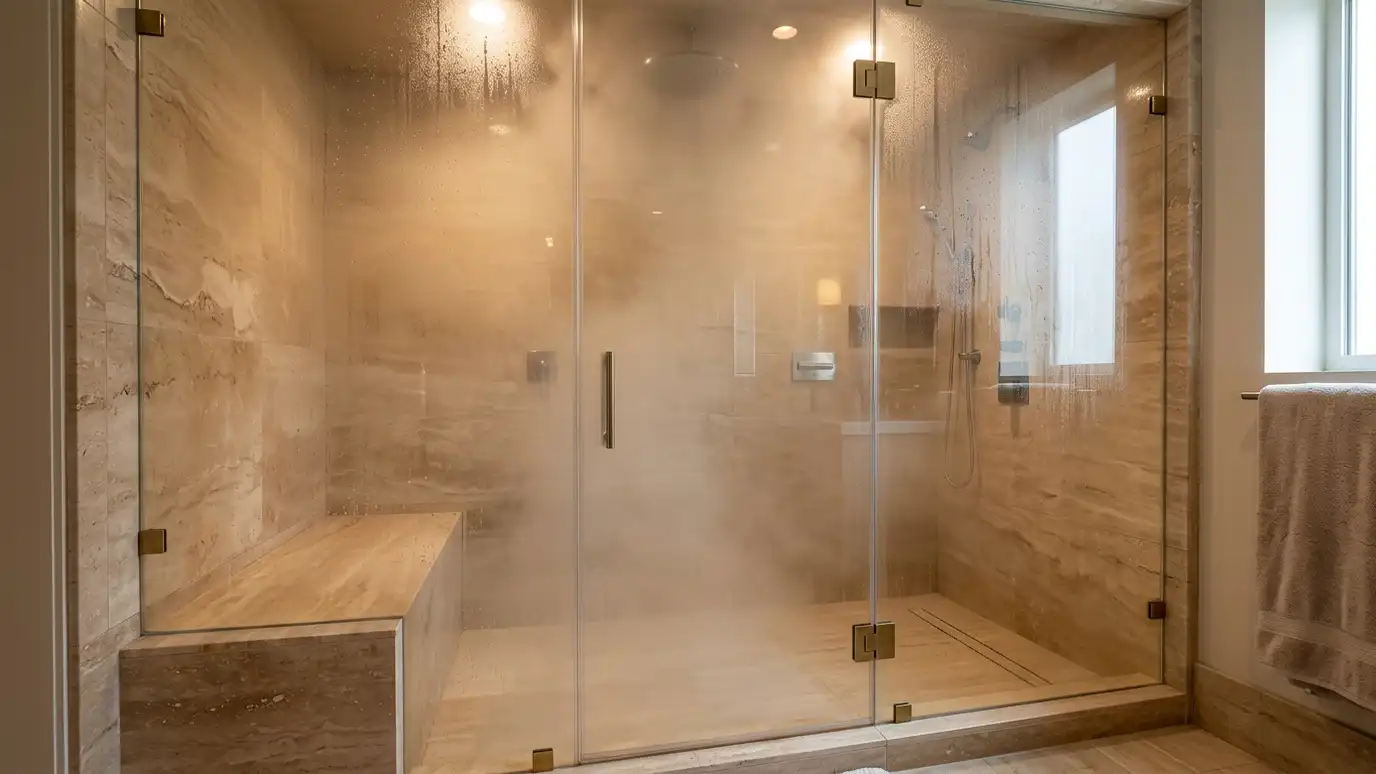
An ordinary shower door lets steam escape. A steam enclosure is a closed room, with glass walls, a sealed door and often a transom or ceiling above. It holds heat and vapor so the steam stays where you want it.
The enclosure must be well sealed along the door, the panels and any joints. It should also be built with a sloped ceiling so condensation runs down the walls and not onto you.
Planning these details with your installers keeps surprises away.
Share the plans with us early, even if the project is months away. Seeing the layout of the steam head, the bench and the ceiling lets us suggest a glass design that will work.
The glass
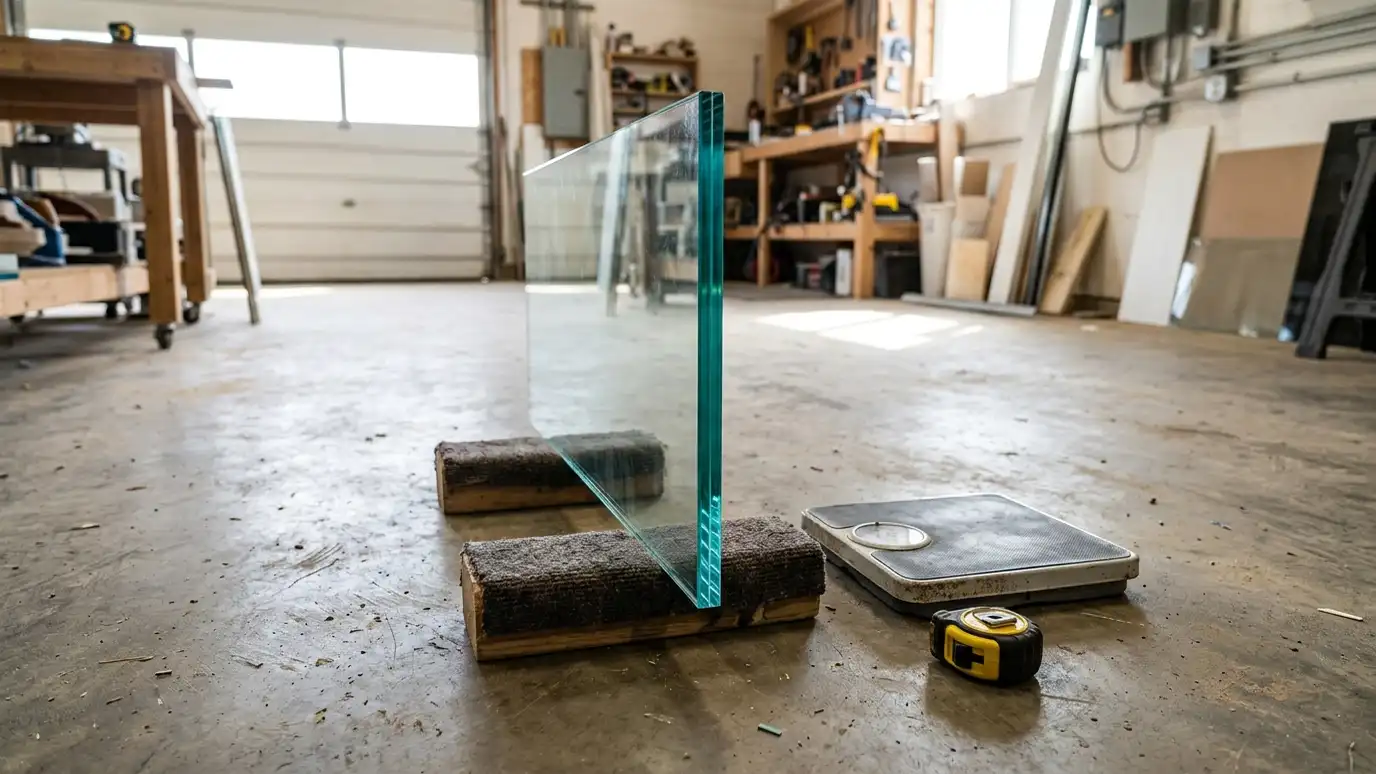
Tempered glass is standard for steam enclosures, often clear or low-iron, in three-eighths or half-inch thickness. Laminated glass can be used for overhead panels. Glass cools the steam, so it fogs during use, which is normal.
Frameless designs are popular because they show off the tile.
We help you choose glass that fits the design and the room.
Ask about glass thickness and weight. A sealed steam door can be heavy, and the hinges, the header and the walls need to support it.
The door
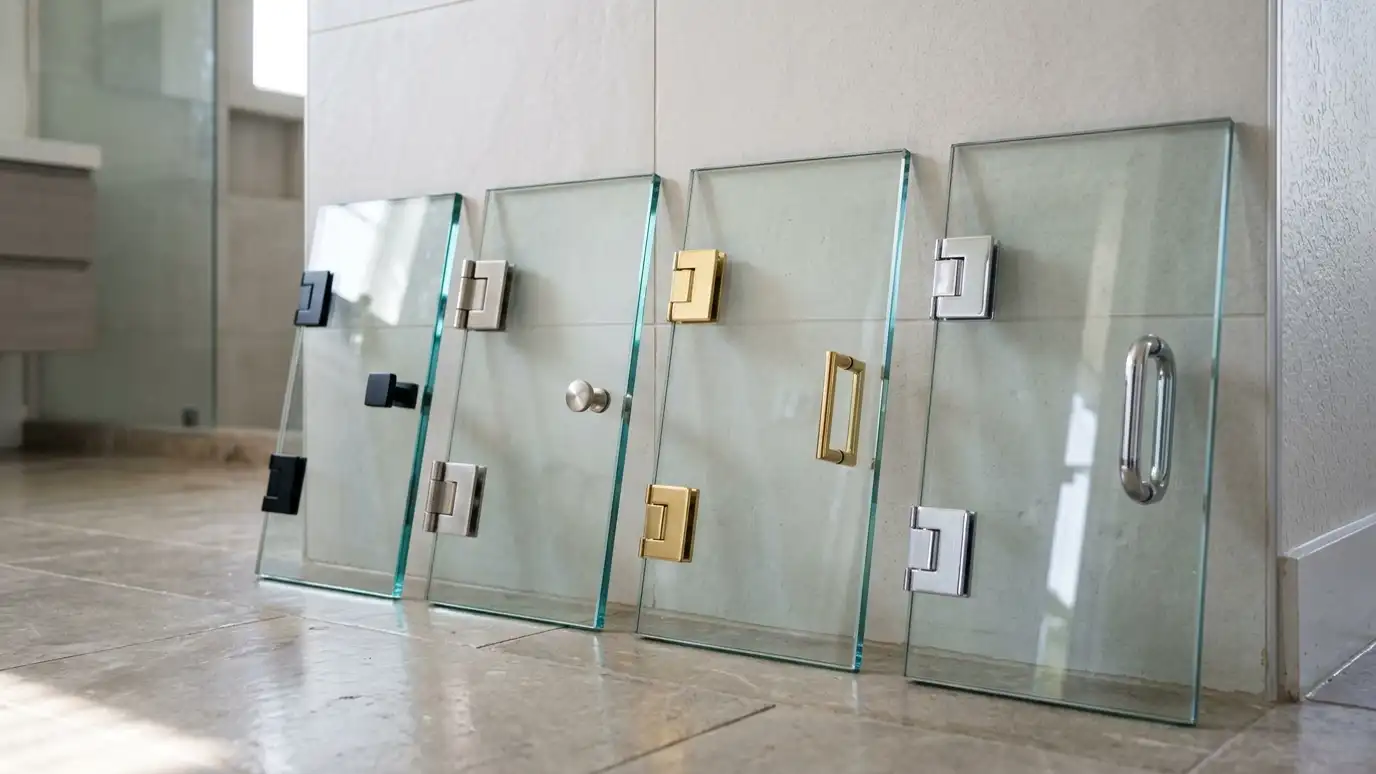
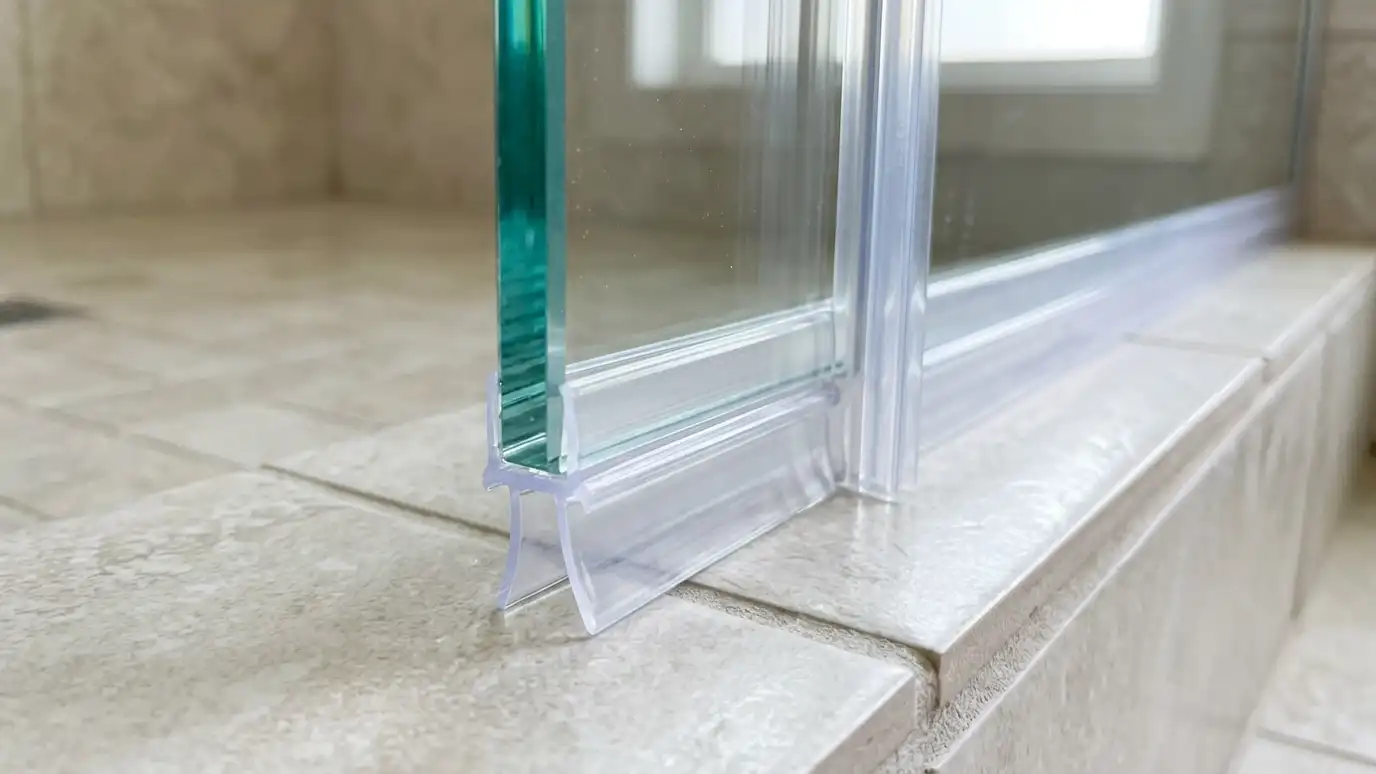
A steam door needs a full perimeter seal, a bottom seal and a handle that is easy to use when hot and wet. Hinges and pivots must be rated for the glass and made of materials that resist moisture.
Some designs use a transom above the door to close the top of the opening.
We adjust the door so it closes firmly against its gasket.
Think about how the door opens and where steam will go when it does. A door that opens away from a cold hallway or toward a fan can help manage moisture.
Ceiling and slope
A sloped ceiling helps condensation run back to the walls. Flat ceilings drip. Your tile setter and steam installer decide the slope, and the glass height must match it.
The top of the glass either meets the ceiling with a sealed joint or stops at a transom with a planned vent.
We measure after the ceiling is finished.
Ceiling choices affect comfort. A slightly sloped ceiling and a smooth finish help water run down the walls, and they keep drips off the people inside.
Coordination with trades
A steam shower involves plumbing, electrical, tile, waterproofing and glass. Each trade needs to finish in the right order, with clear measurements. The steam generator and its controls are installed by specialists.
The glass is measured last and installed after tile and equipment are ready.
We talk with your team early so the schedule works.
Decide who will be on site and when. A simple schedule that lists plumbing, waterproofing, tile, steam equipment and glass keeps everyone moving in order.
Care and use
Steam showers need ventilation outside the enclosure, regular wiping of glass and seals and an eye on gaskets, which can wear. Mineral buildup from steam can mark glass, so squeegeeing helps.
If you see condensation leaking outside the enclosure, tell us. A gasket or an adjustment may fix it.
Use the room as the installer recommends for your equipment.
After the room is in use, wipe the glass and seals regularly and check the door for a snug close. Small adjustments keep the enclosure working well.
Plan the ceiling slope, door seals and glass height with your steam installer and tile setter before any glass is ordered.