Why measurements matter
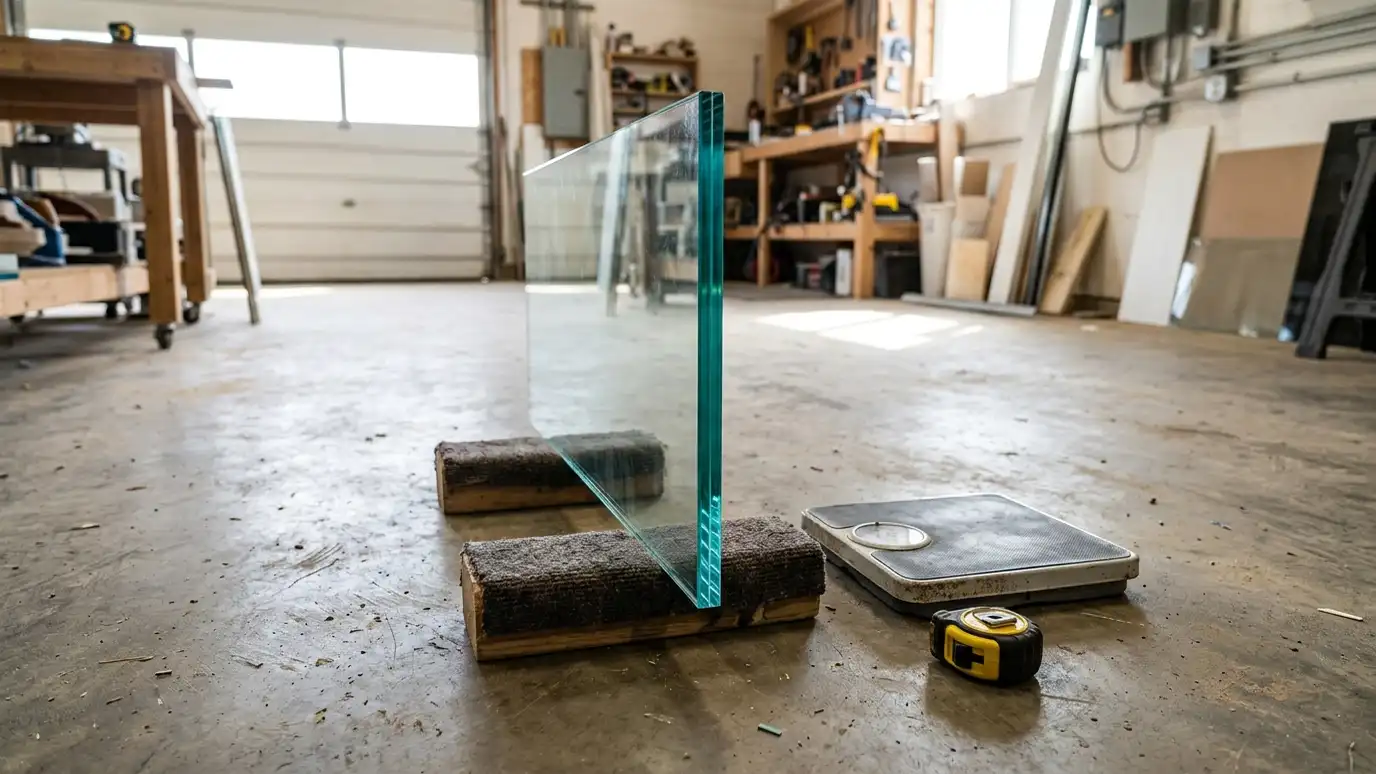
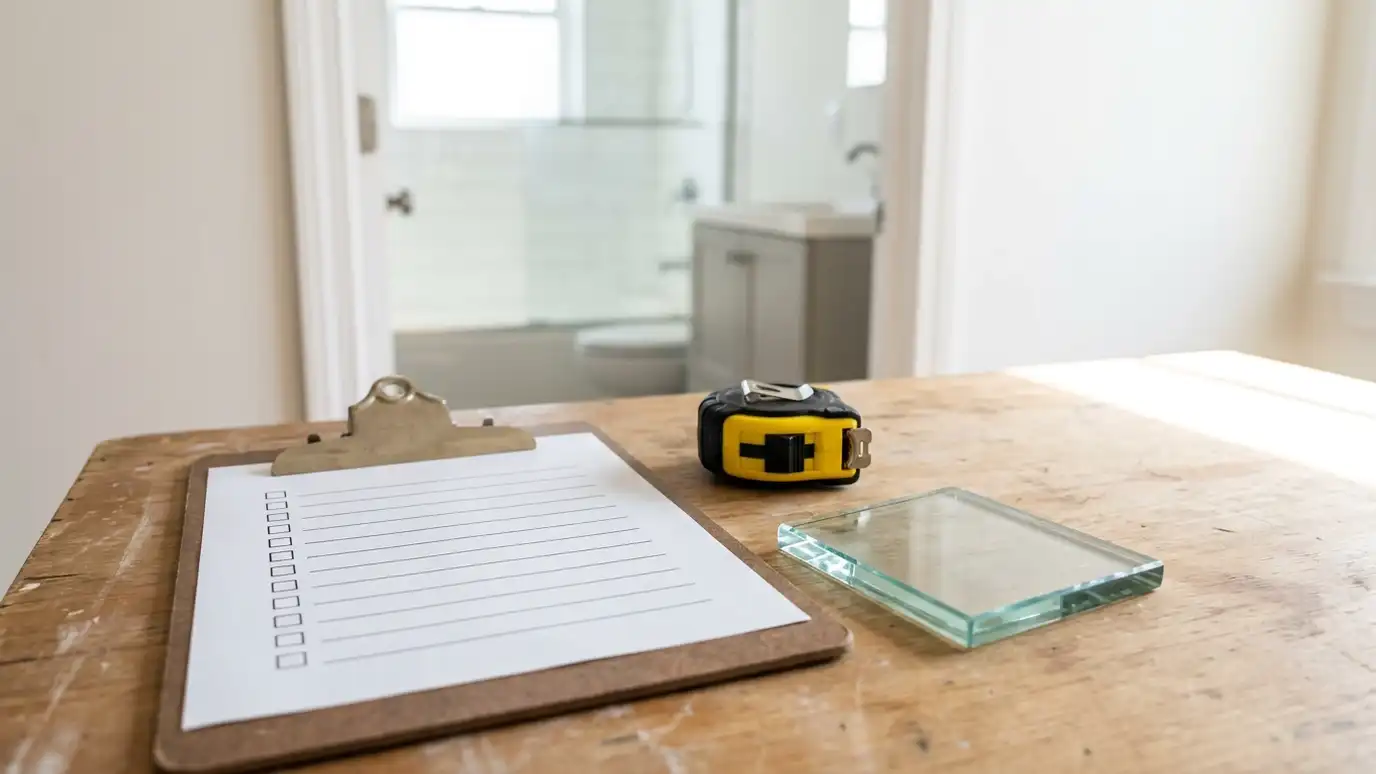
Most custom glass is cut, polished and tempered to size, and it cannot be trimmed afterward. If the glass is a quarter inch too large, it will not fit. If it is too small, there will be a gap. Measuring carefully is the best way to avoid delays and extra cost.
Walls and floors are rarely perfectly straight, so measuring in one place is not enough. We check dimensions in several places and note differences.
Accurate measurements also help you compare quotes, because everyone is working from the same numbers.
A good measurement is also a good record. We keep the numbers, photos and notes from your visit so we can answer questions later and order parts that fit without another trip.
How professionals measure
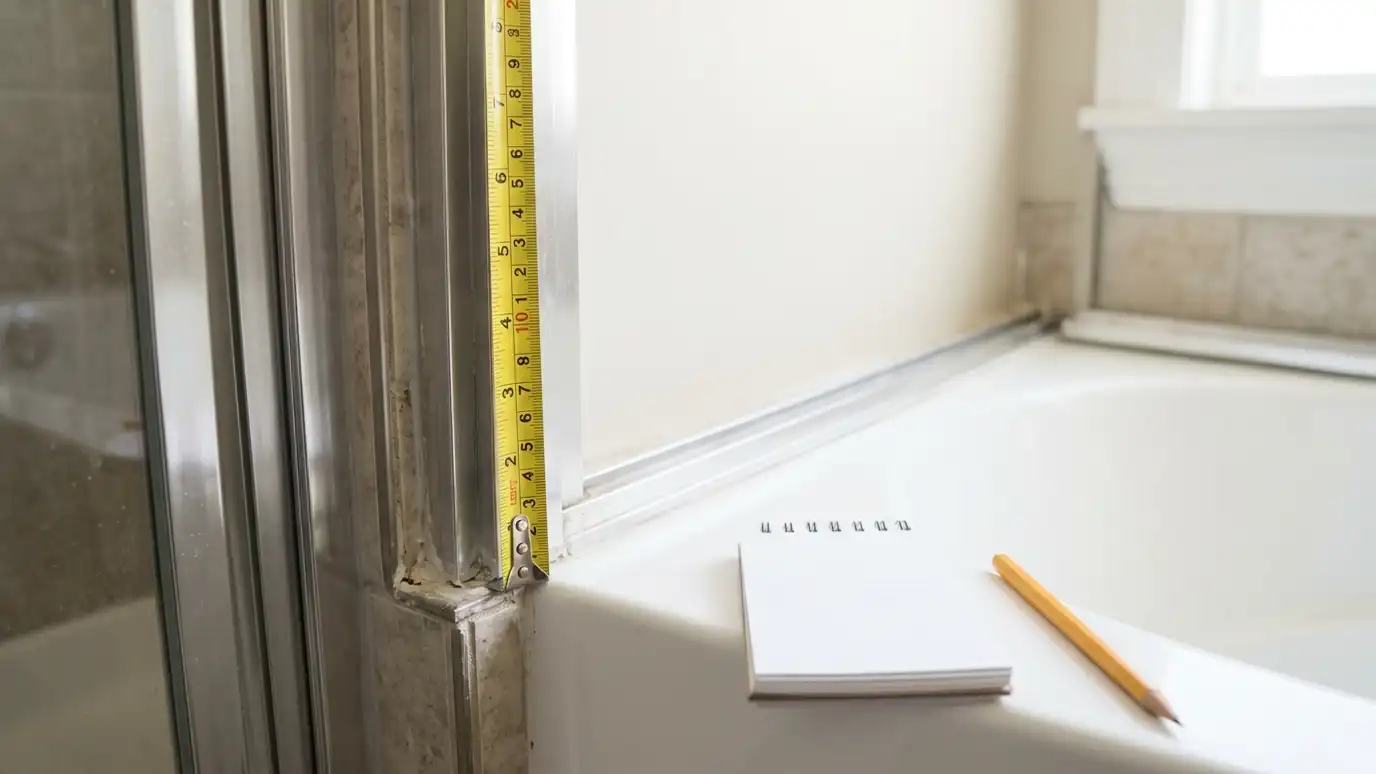
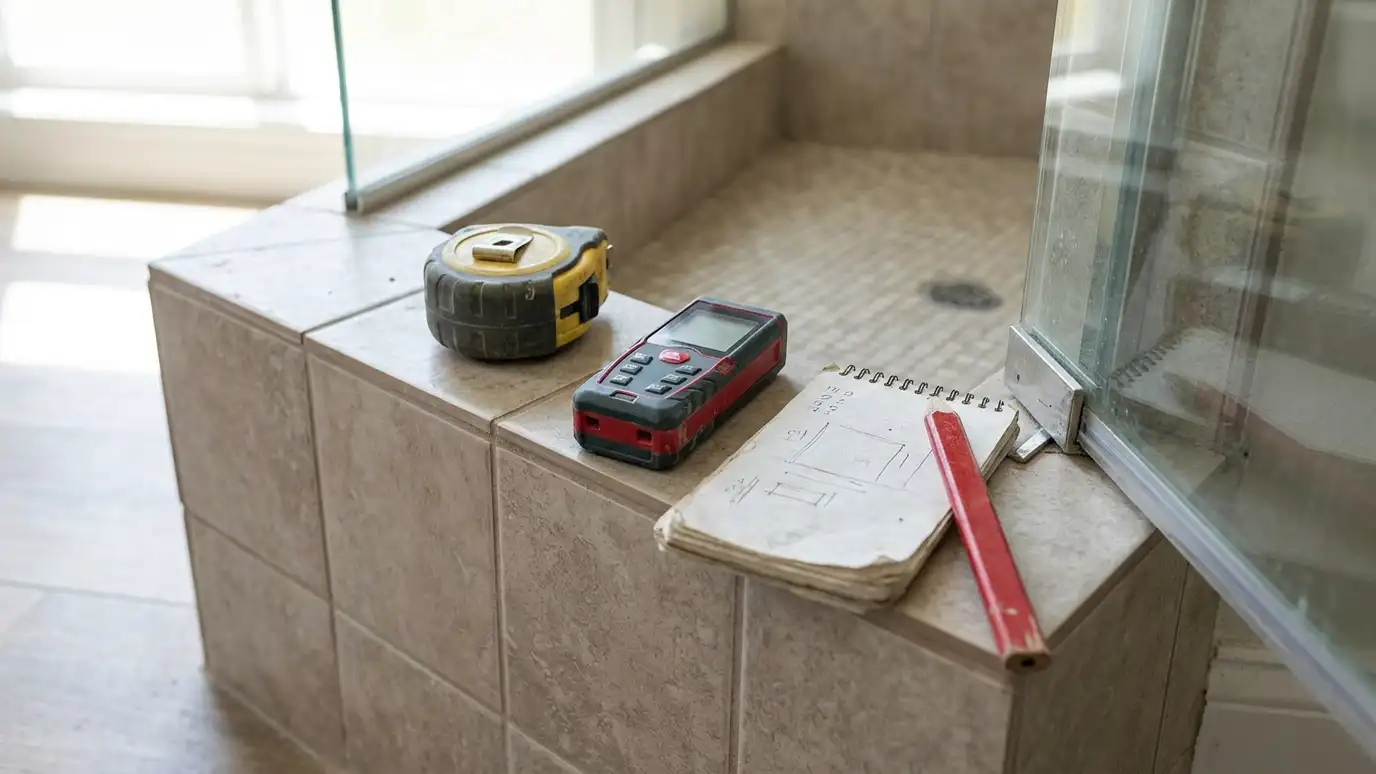
We measure width at the top, middle and bottom, and height on both sides and in the center. We check walls with a level and curbs for slope. We note the position of the drain, the fixtures and anything that might block the door.
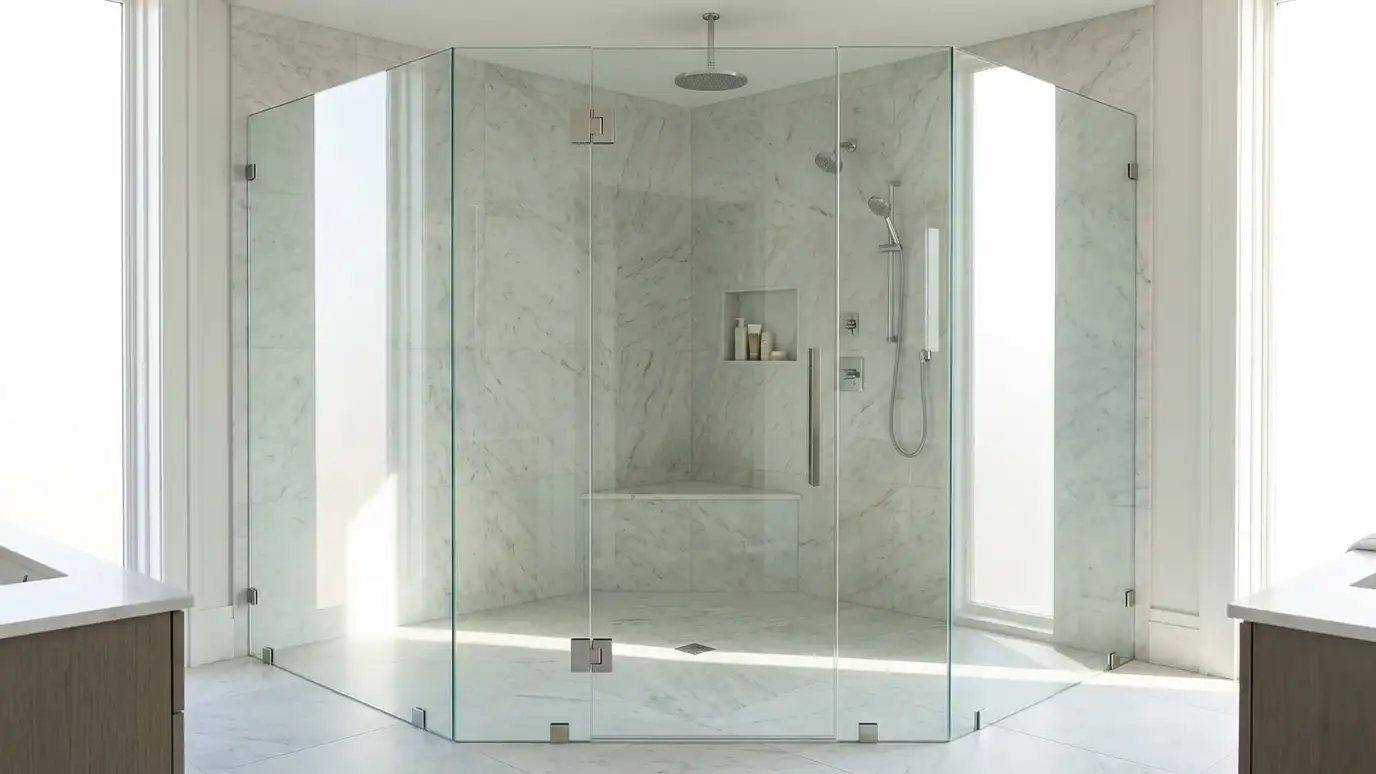
For custom shapes, we make a template with rigid strips so we can cut the glass to the real angles.
We record everything on a sheet and review it before ordering.
When we measure a curb, we also look at its slope and the way the tile meets the wall. Small details like these decide how the bottom seal will sit and where water will go.
When to measure
Measure after tile, walls, floors and vanities are finished. Measuring too soon risks a mismatch if any surface changes later.
For new construction, we often measure after drywall and tile and before final paint, then check again before installation.
For repairs, we can measure at the first visit.
If your project is part of a remodel, ask the tile setter and the builder for their schedule. We would rather wait a day for tile grout to cure than measure early and risk a poor fit.
What you can do before the visit
Clear access to the opening and remove clutter. Take a few photos of the area from different angles and note any problems you have seen, such as a leaking door or a loose hinge.
If you want to measure yourself for planning, measure the widest and narrowest points and write them down. Remember that we will measure again before ordering.
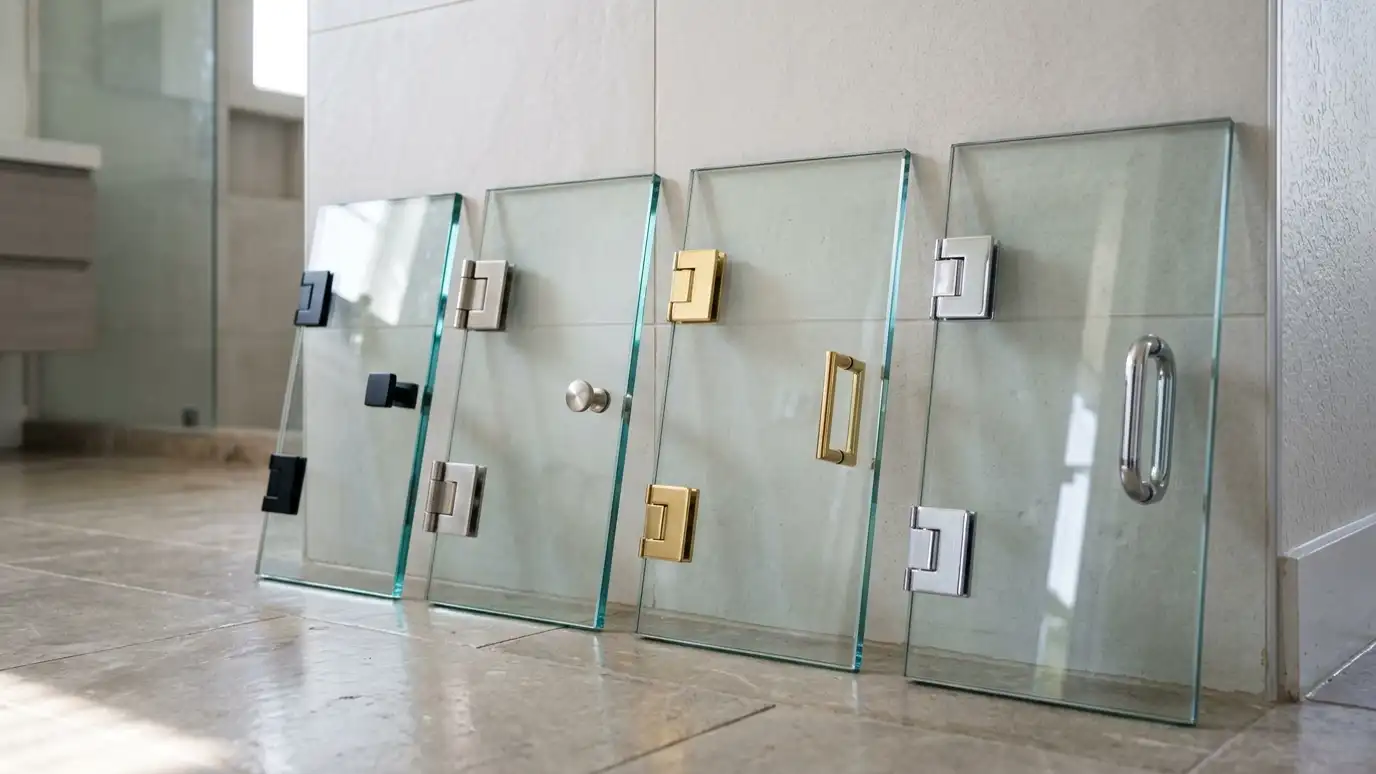
Note the style you like, so we can discuss options during measuring.
Photos help more than people expect. A picture of the opening, one of the floor and one of the hinge wall tell us a lot, and they are useful when you are talking with a designer or a builder.
Common measuring mistakes
Measuring to the tile in one place only, ignoring a sloped curb, forgetting about a bench or a niche, and measuring before tile is complete are the most common mistakes.
Another is assuming a standard size will fit. Many openings are close to standard but not exactly.
If in doubt, ask a professional to confirm before you order.
If you find that a measurement changed after tile was set or a wall was patched, tell us right away. A short re-check is far easier than a remake.
Tolerance and gaps
Frameless glass has small gaps by design, usually a few sixteenths of an inch. The seals and hardware accommodate them. Too big a gap can leak, and too small a gap can cause the door to rub.
Framed doors have more tolerance because the frame adjusts to the opening.
Ask your installer what tolerance they plan for and why.
Tolerance is a design decision. Frameless glass looks best with tight, even gaps, while framed doors accept more variation. We tell you which approach suits your opening and why.
Measure after finishes are complete, measure in more than one place and let the installer confirm before anything is ordered.