Start with the layout
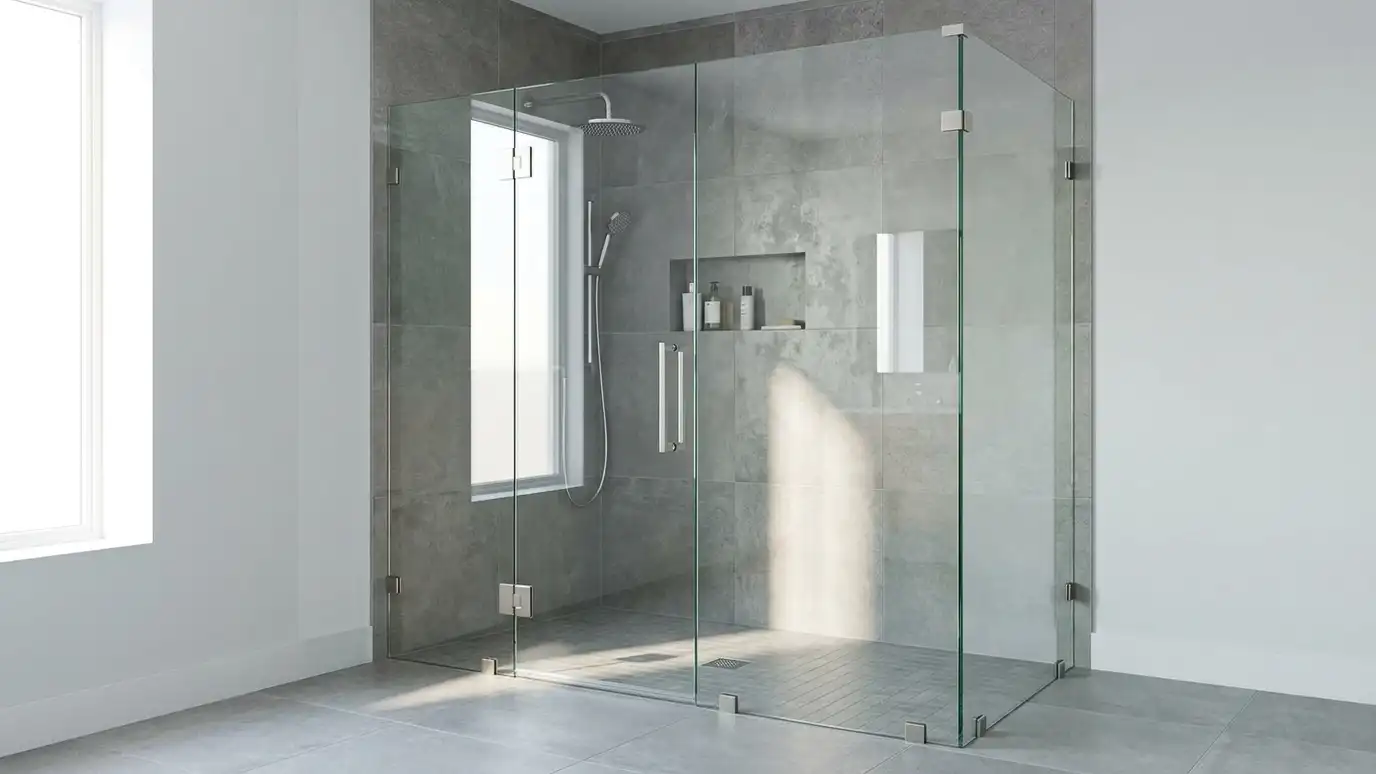
The layout of a shower glass enclosure decides how the bathroom feels. A single door suits a tub or a simple stall. A door with an inline panel suits a larger shower. A corner enclosure frames a room corner. A walk-in design uses a fixed panel with no door, for an open look.
Think about how you enter, where the shower head sits and where a bench or niche goes. The glass should help the shower work, not get in the way.
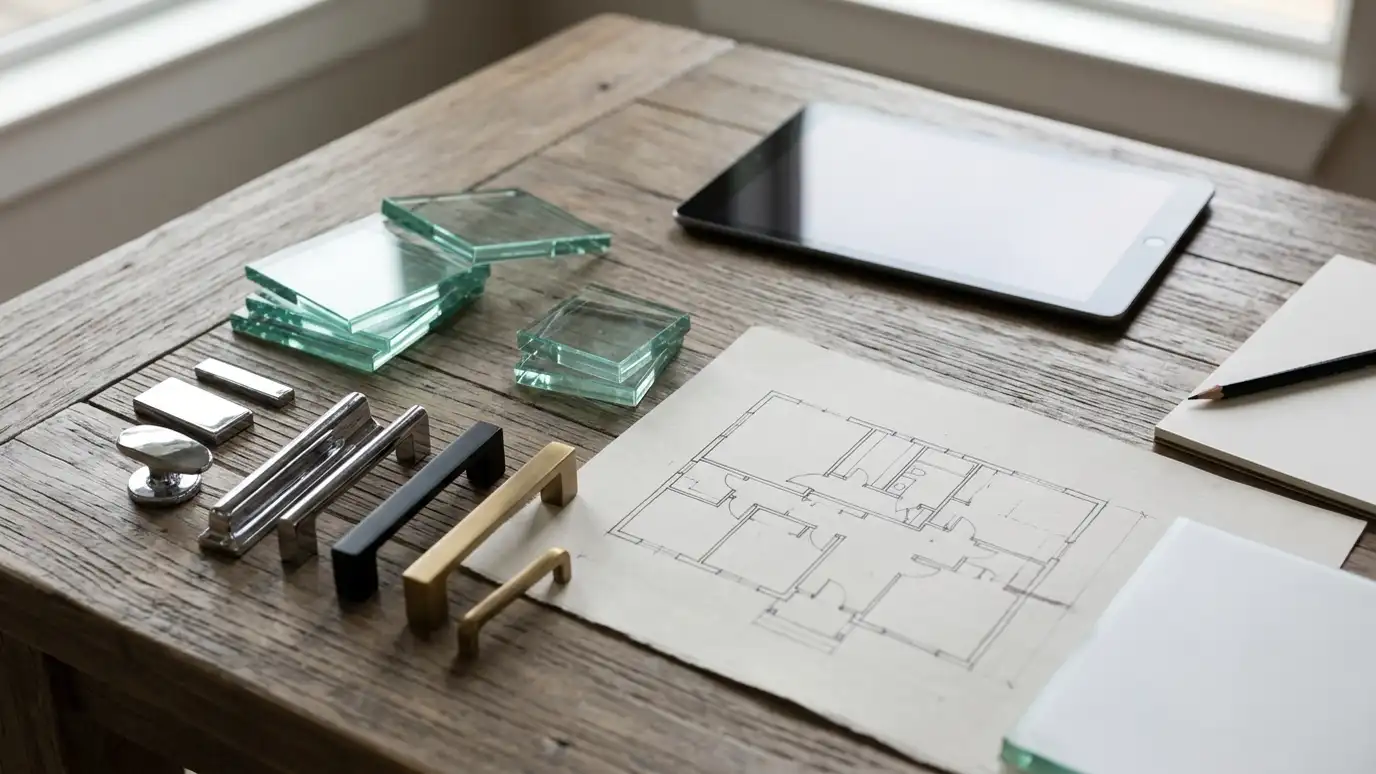
Sketching a few layouts helps you decide.
Walk through your daily routine in your head: where you set towels, where you reach for the shampoo and how you step in. The glass should support that path, not interrupt it.
Choose the glass
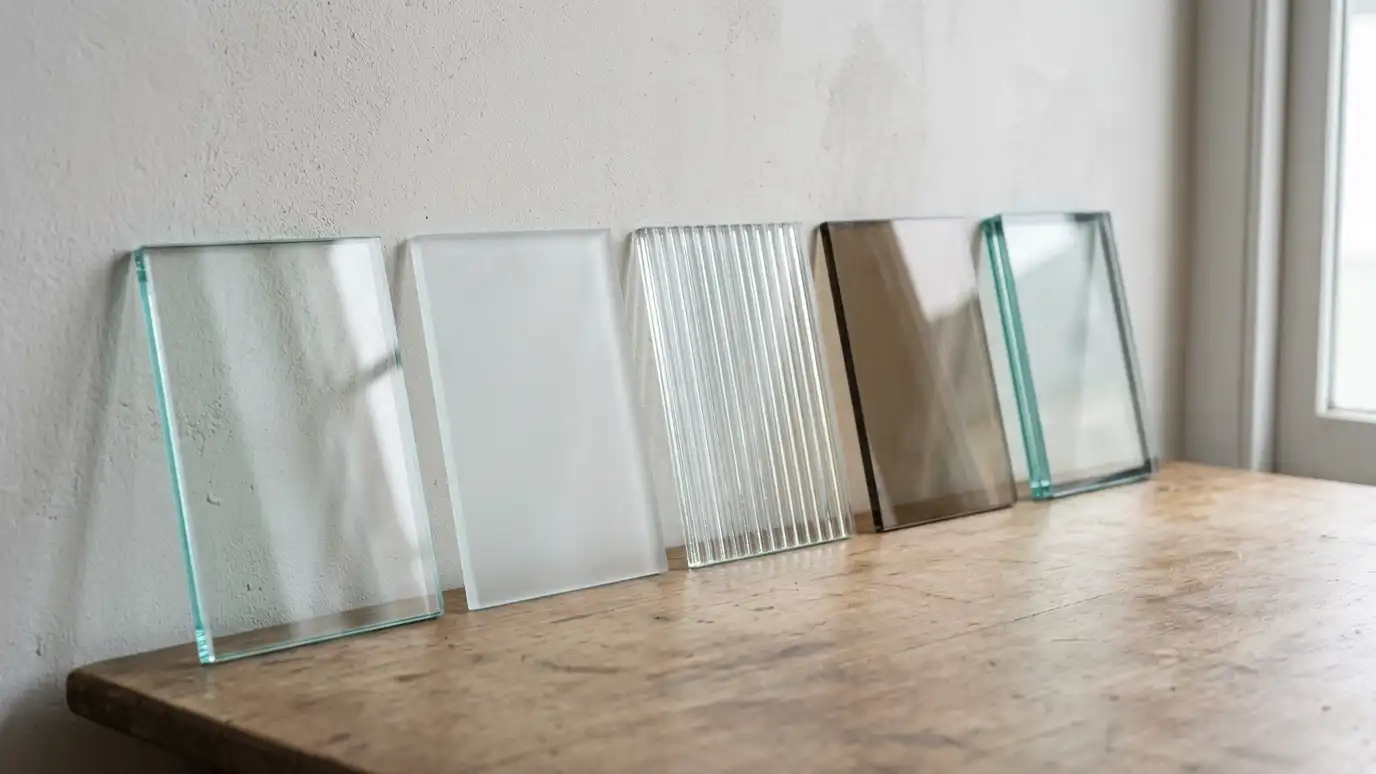
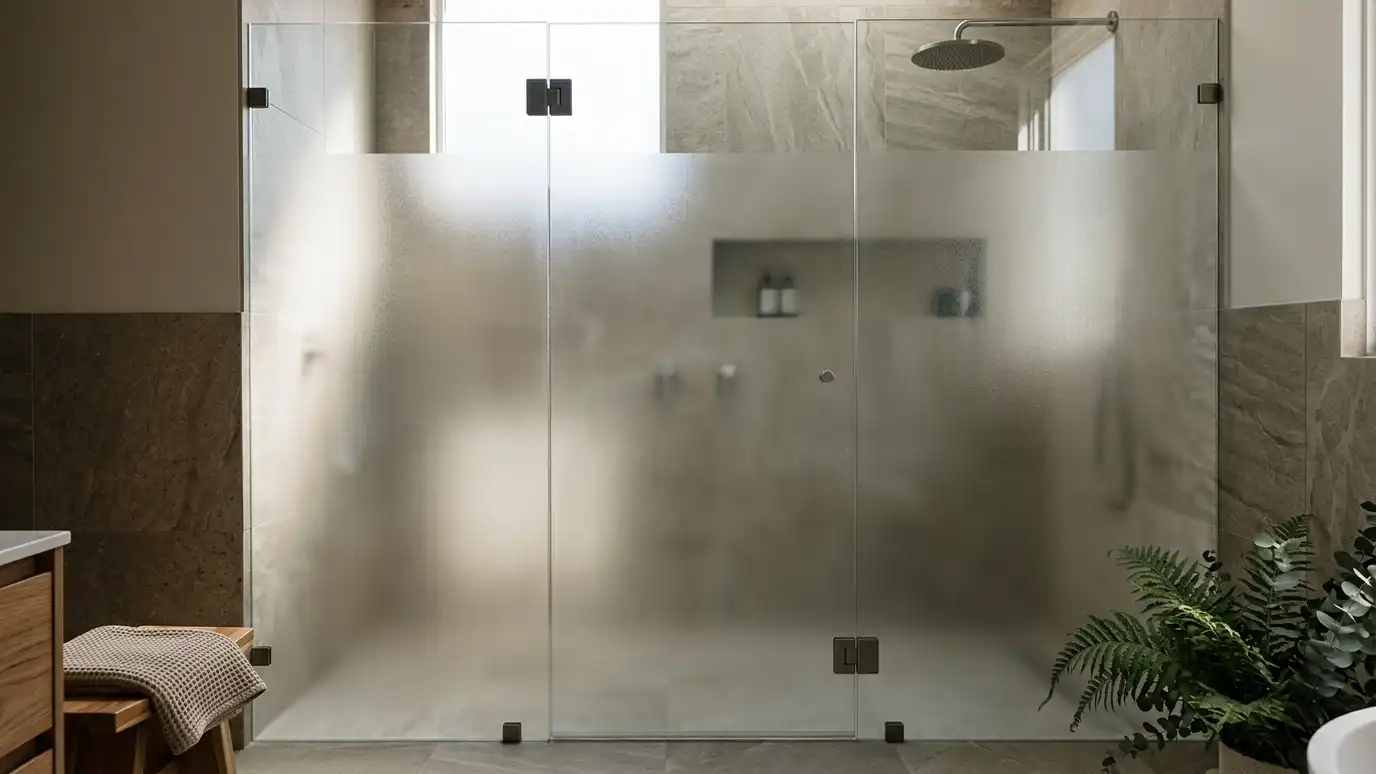
Clear glass is the classic choice. Low-iron glass is clearer and less green. Frosted, reeded and textured glass add privacy and hide water spots. Tinted glass softens light and gives a mood.
Consider where the glass faces. A bathroom that looks onto a hallway may want privacy glass in part of the enclosure.
Thicker glass feels more solid and is common for frameless designs.
Look at glass in your own light. A clear panel can look slightly green at the edge in some rooms, and low-iron glass can look cleaner next to white tile. Samples settle the question quickly.
Pick the hardware finish
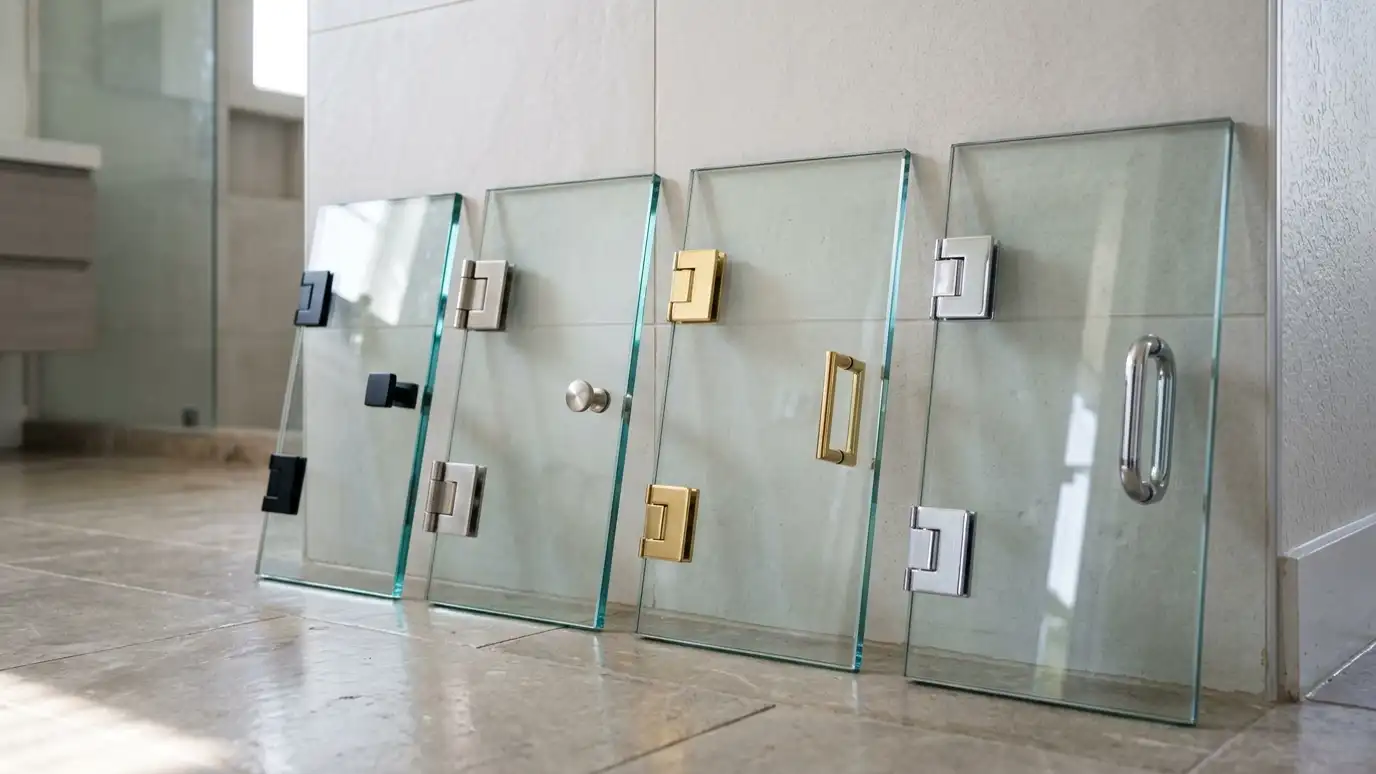
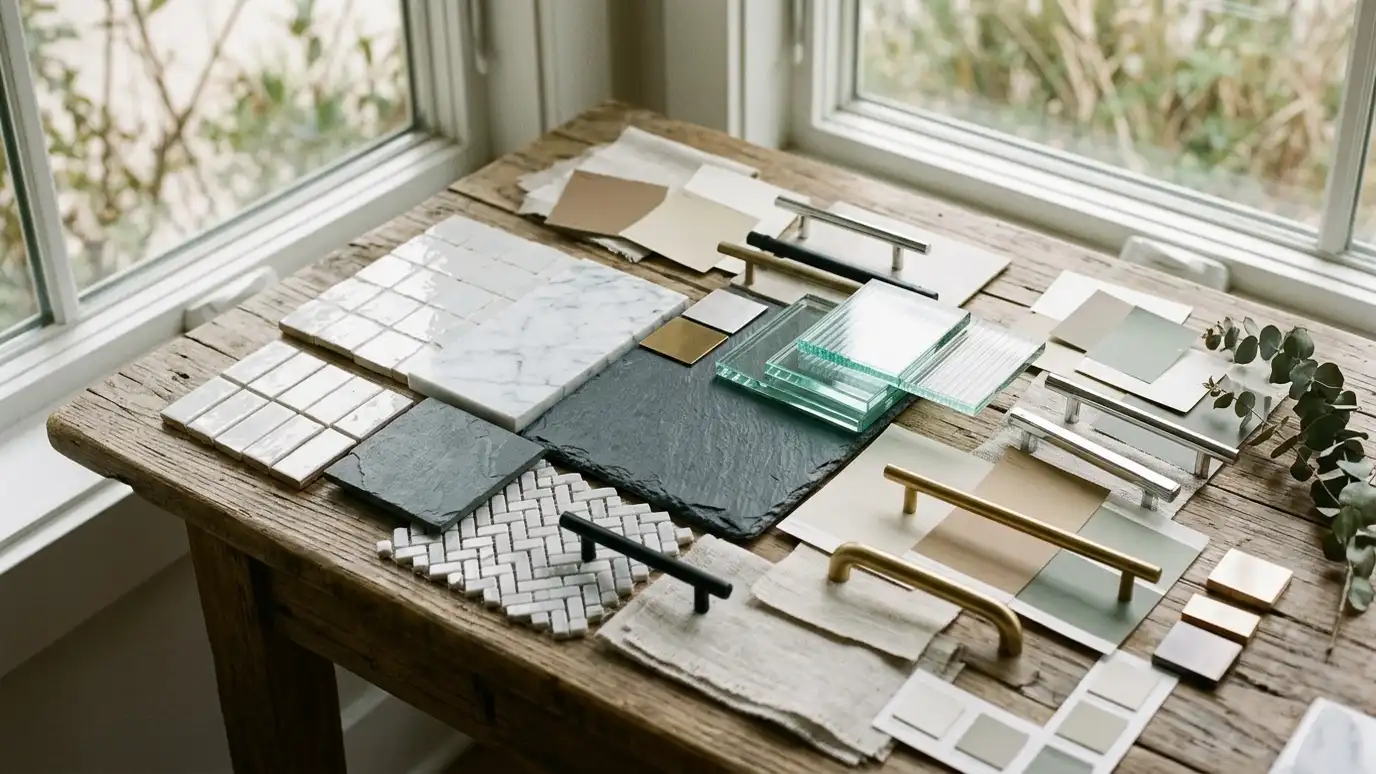
Hardware is the jewelry of a shower. Polished chrome is bright and classic. Brushed nickel is soft and hides spots. Matte black is bold. Brass is warm. Oil-rubbed bronze is deep and traditional.
Try to match or complement faucets, lighting and mirrors, but do not worry about perfect matches. Contrasts can look intentional.
Bring samples to the bathroom and look at them in the light you use.
If you cannot decide between finishes, choose the one you will see most, such as the faucet, and let the glass hardware complement it. A small contrast can look as good as a perfect match.
Think about details
Handles and pulls, towel bars, door swing, door stops, seals and sweeps are small things that change daily life. A towel bar on the door can be handy but should be placed so the door still swings.
Consider how the glass meets the tile, whether at a curb, a channel or a clamp, and how the lines of the glass and tile align.
Small details separate a good installation from a great one.
Pay attention to the glass edges and the corners. Polished, even edges and clean joints make a frameless installation look crisp, and they are worth discussing before glass is cut.
Plan for cleaning
A frameless design has fewer places for grime. Textured glass hides water spots but needs a gentle brush. Coatings help water bead. A squeegee habit keeps everything clear.
Think about how much time you want to spend cleaning, and choose the design that fits.
We explain care for whatever you choose.
If you share the bathroom with others, think about who will clean the glass and how often. A simple design that is easy to wipe will stay nicer than a complex one that is avoided.
Coordinate the whole bathroom
Glass works with tile, vanity, mirror and lighting. A big mirror and a frameless door can make a small bathroom feel larger. Warm lighting makes brass glow, while cool light suits chrome.
If you are remodeling, talk to your tile setter and designer early so the glass plan fits their work.
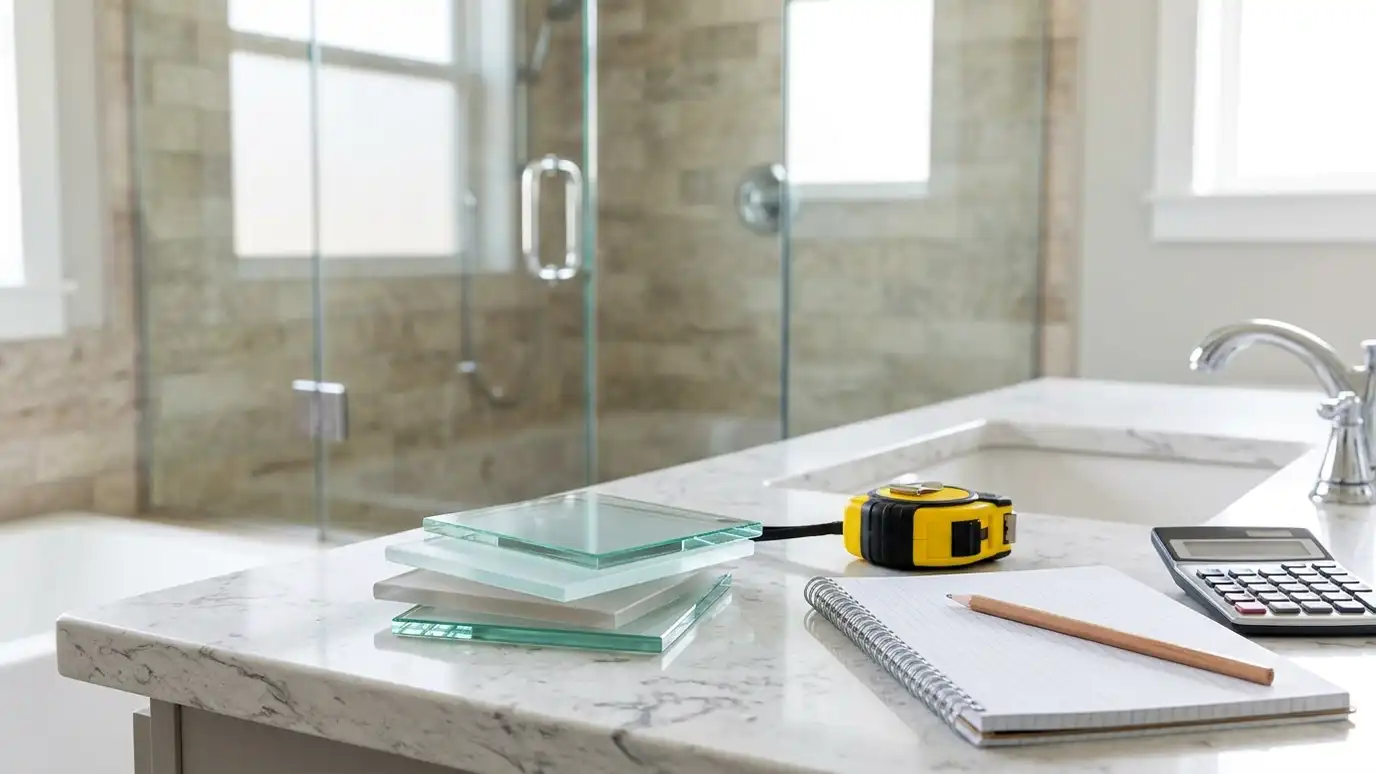
A design consultation can bring all these pieces together.
Keep a short list of your final choices and share it with everyone involved. A designer, a tile setter and a glass installer working from the same list produce a better result.
Pick the layout first, then the glass, then the hardware, and check your choices in the light of the real room.