How glass loses and gains heat
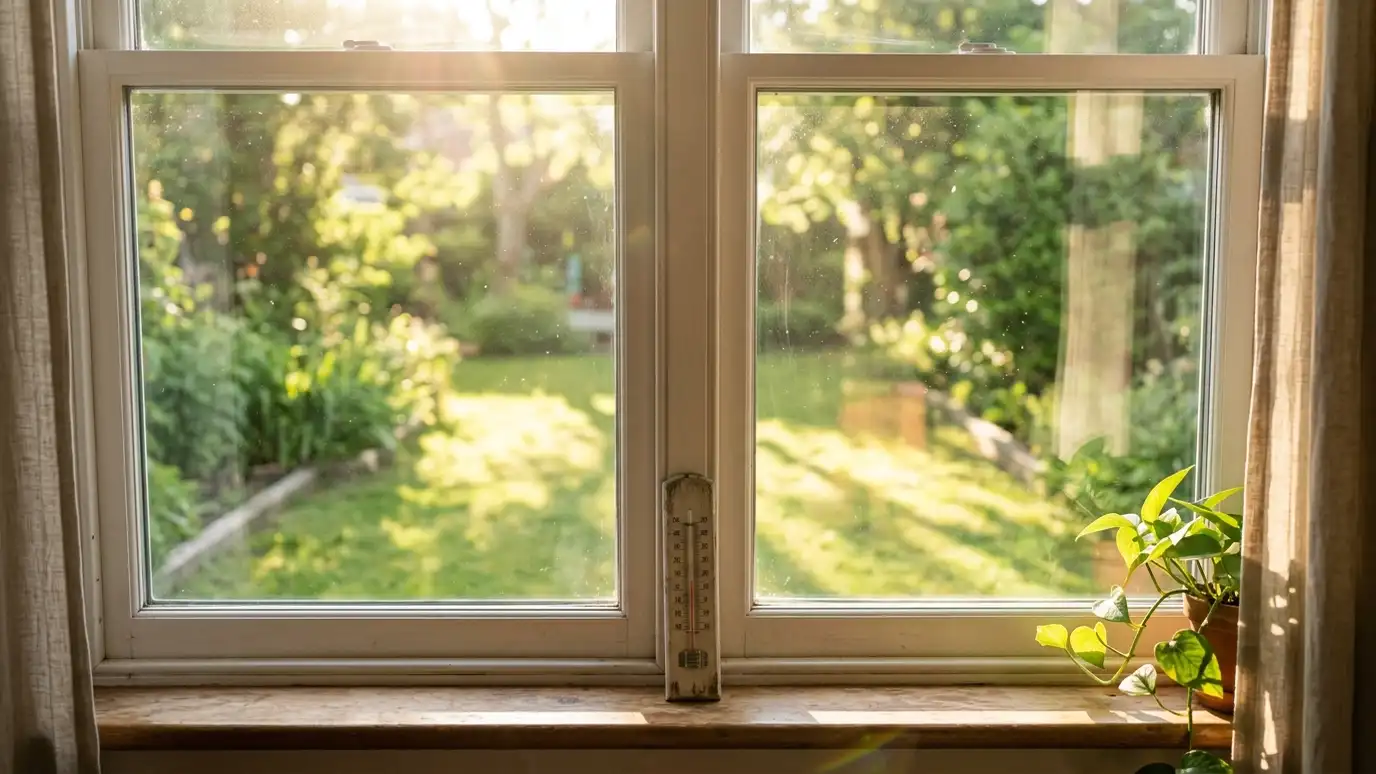
Glass lets sunlight in, which warms a room, and it also passes heat in both directions. In summer, sun through glass heats rooms. In winter, indoor heat escapes through glass. Single panes do this fastest.
Double panes with a sealed gap slow this movement, and coatings slow it further.
The right glass depends on the direction your windows face and how you use the room.
Sun direction is the first thing to understand. West-facing glass tends to heat rooms in the afternoon, and north-facing glass stays cooler. The best glass for each side can be different.
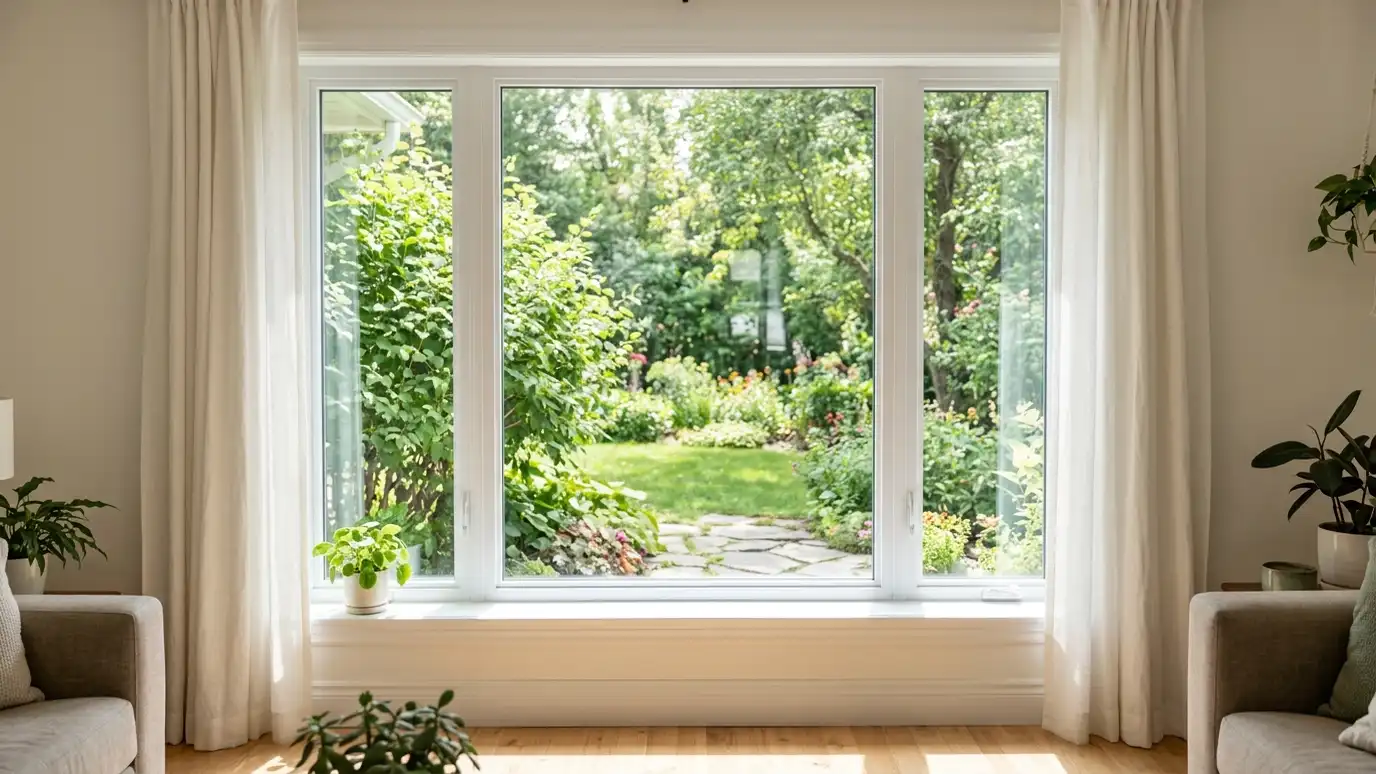
Double and triple panes
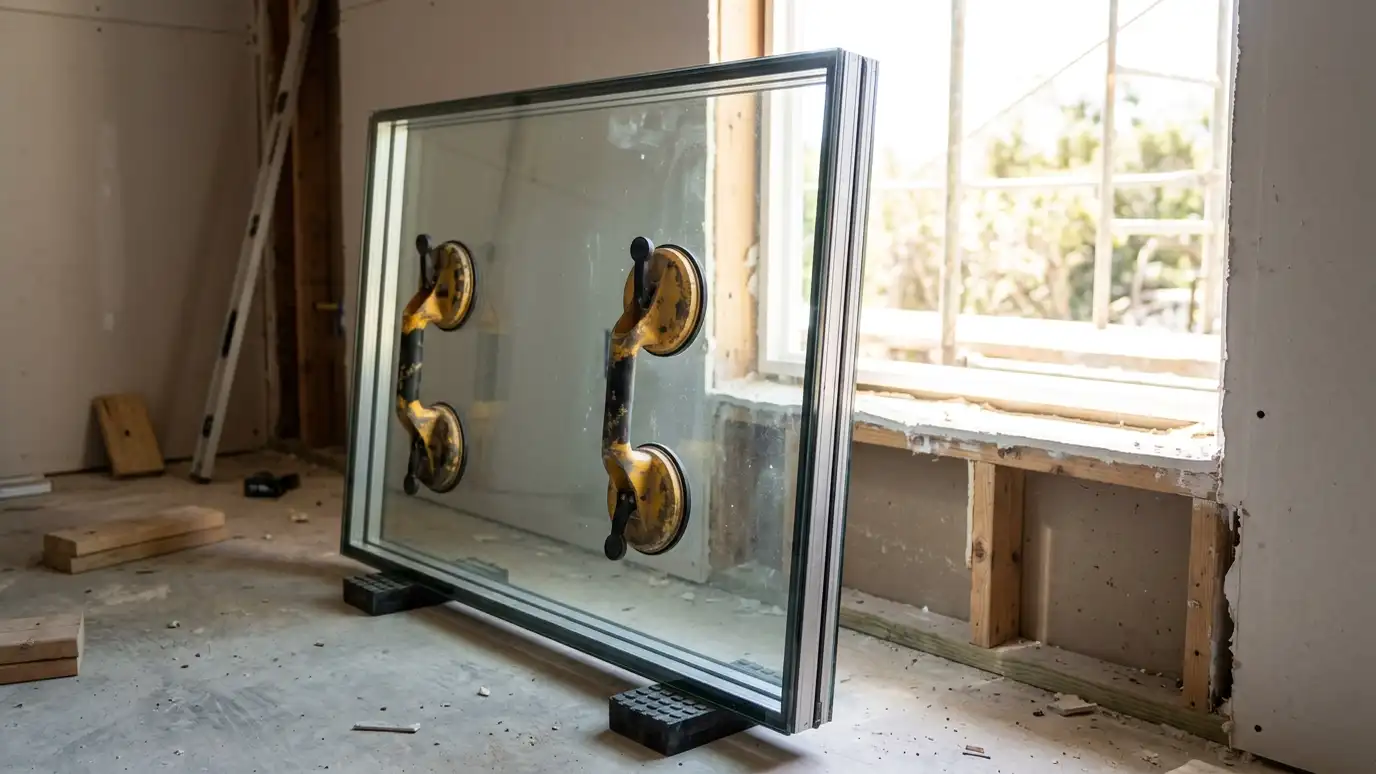
A double-pane unit has two sheets of glass with a spacer and a gap between them. Triple units add another sheet. More panes add insulation, but also weight and cost.
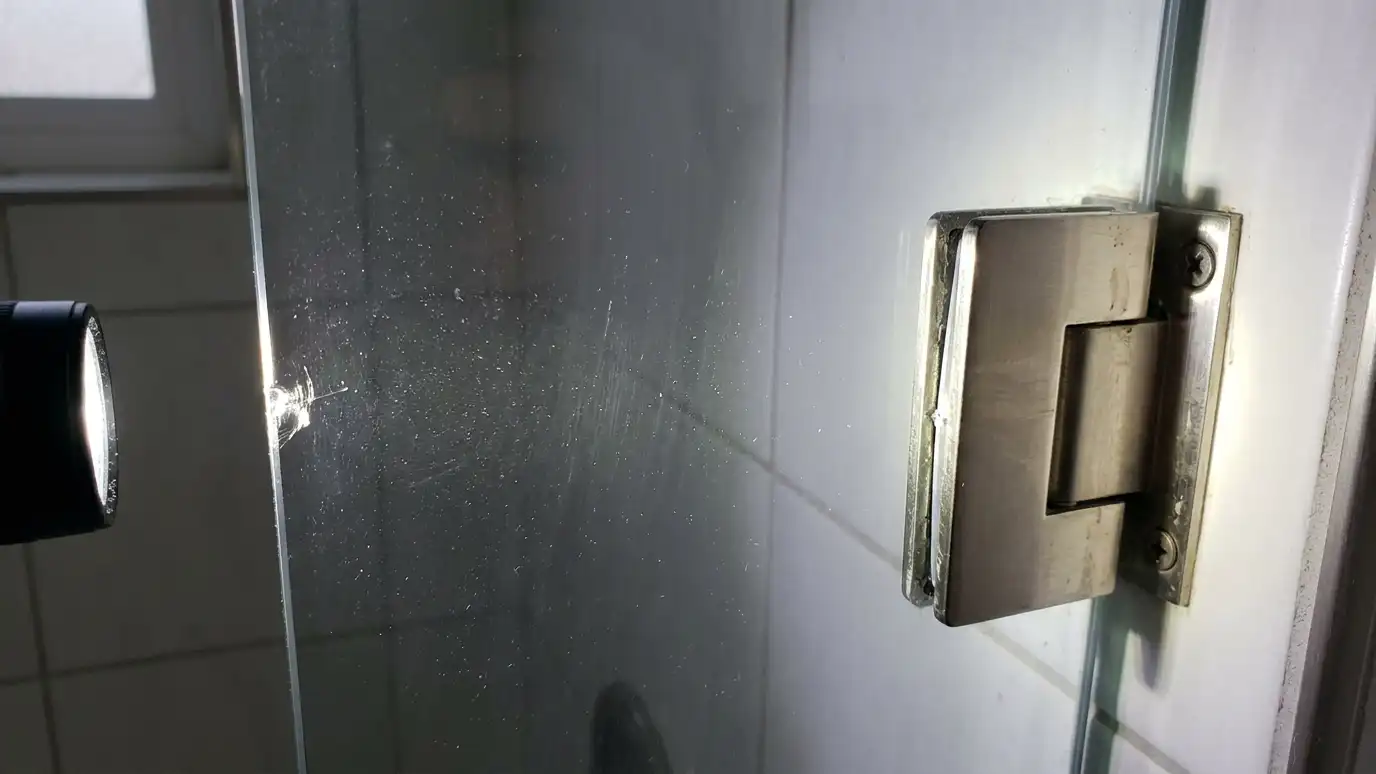
The spacer and seal quality matter. A failed seal lets moisture in and reduces insulation.
We can replace failed units and match or improve the specification.
If you are upgrading one window, check that the new unit looks like the others. Differences in tint or reflection can be noticeable from the street or from inside.
Low-E coatings
Low-E stands for low emissivity. A thin coating on one or more surfaces reflects heat back toward its source. In a warm climate, it keeps heat out. In a cold one, it keeps heat in. Different coatings suit different exposures.
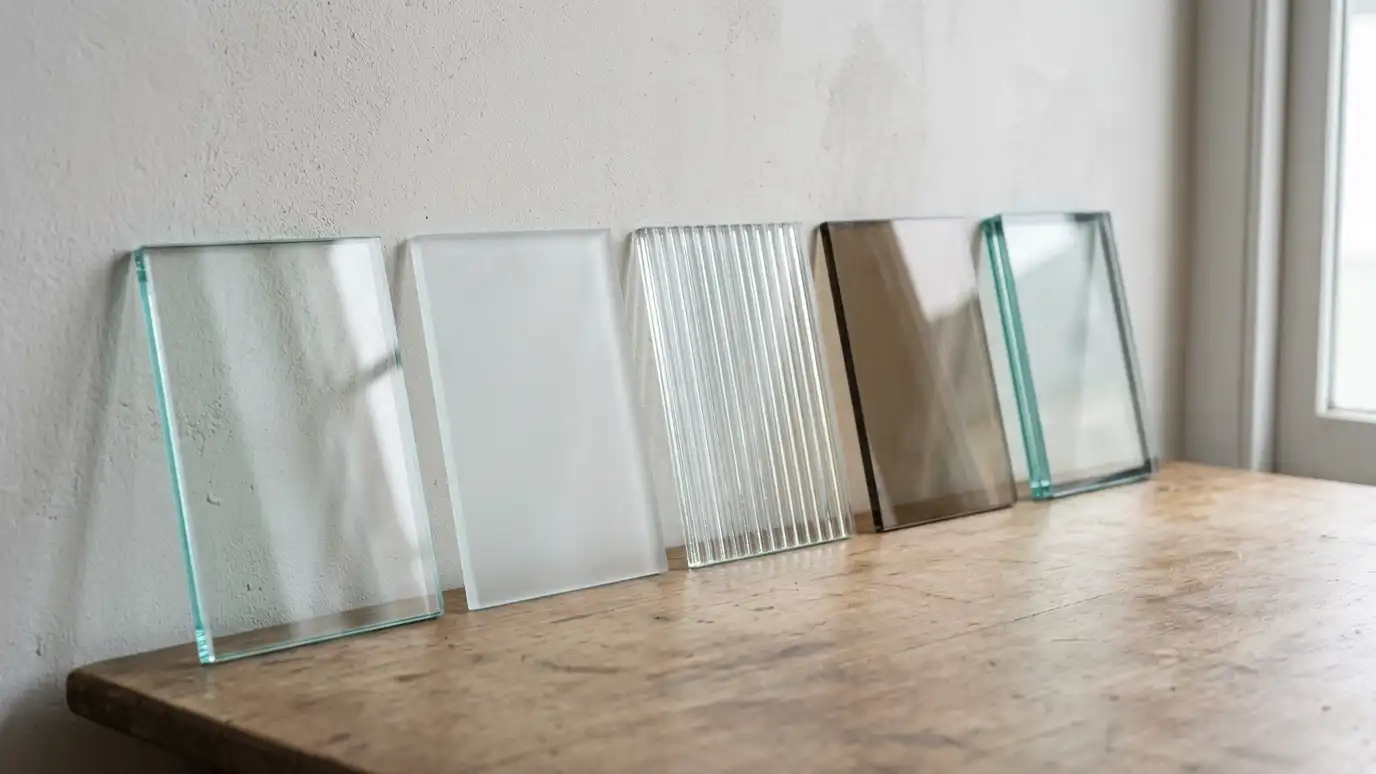
Coatings can slightly change the color of the glass. We show samples.
Ask which coating level suits each side of your house.
Coatings are very thin, but they do a lot. Handling and cleaning instructions matter, and we tell you which products are safe for your glass.
Gas fill
Many sealed units are filled with argon gas, which insulates a little better than air. Gas can leak over time, but good seals hold it for years.
Gas fill is invisible, so you rely on the maker or installer to tell you what is inside.
We can specify gas fill when we order new units.
Gas-filled units can lose some gas over many years, which is normal. If a unit fogs, the seal has failed and the unit should be replaced rather than refilled.
Window film
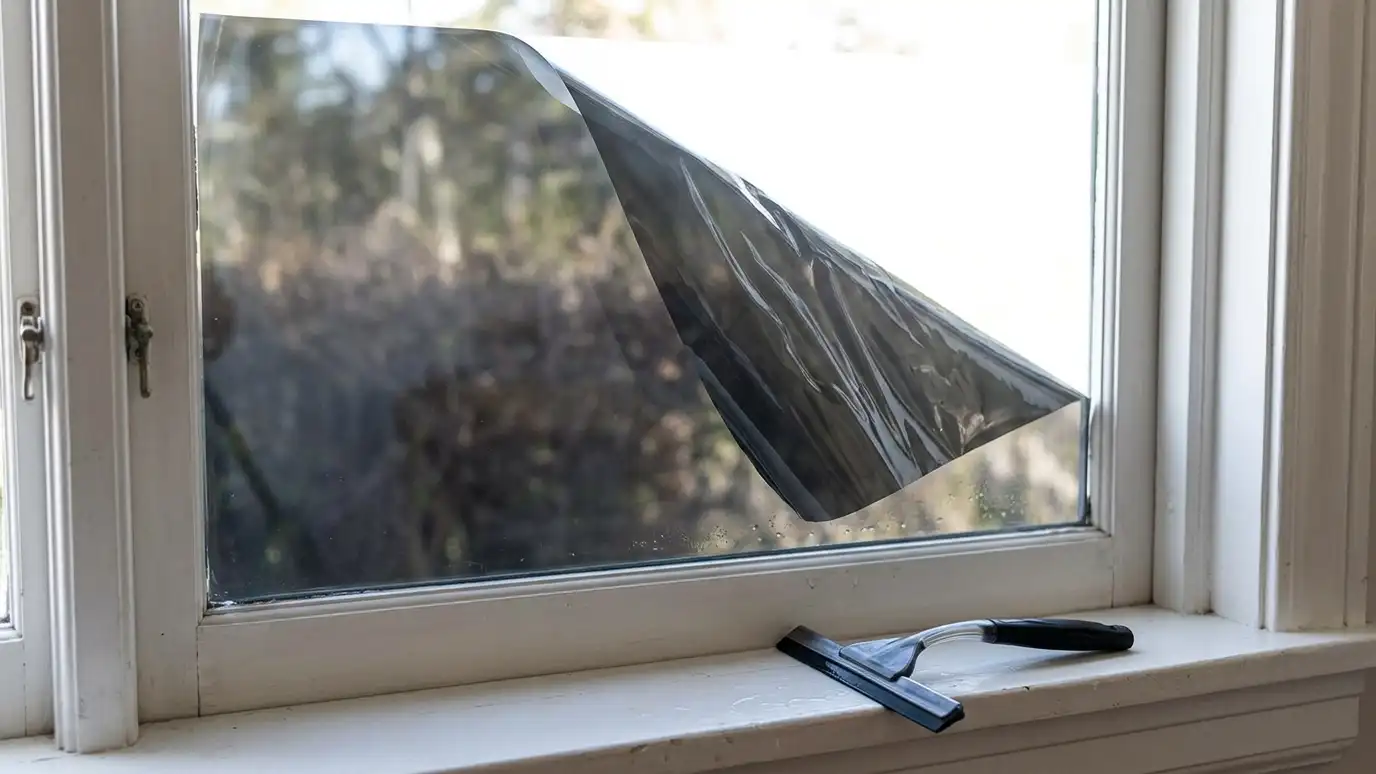
Solar and decorative films can reduce heat and glare on existing glass. They are a lower-cost way to improve comfort in sunny rooms, but they do not insulate like a double pane.
Some films can stress insulated glass, so we check first.
We explain the tradeoffs and recommend films that suit your glass.
Window film can make a sunny room more pleasant, but it does not replace insulated glass. It works best on rooms with strong sun and little other protection.
What to do
If your windows are foggy, replace the unit. If a room is too hot or too cold, think about exposure. For a quick fix, film or shades may help. For a larger improvement, replacement units with low-E and gas fill make a difference.
We can look at your windows and tell you what we would do.
A Free Estimate includes advice on glass options.
A Free Estimate is a good time to ask about comfort. Bring a list of rooms that are too hot, too cold or too bright, and we will talk through options.
Fix failed seals first, match coatings to the direction each window faces and use film as a quick option for sunny rooms.