Choose the size
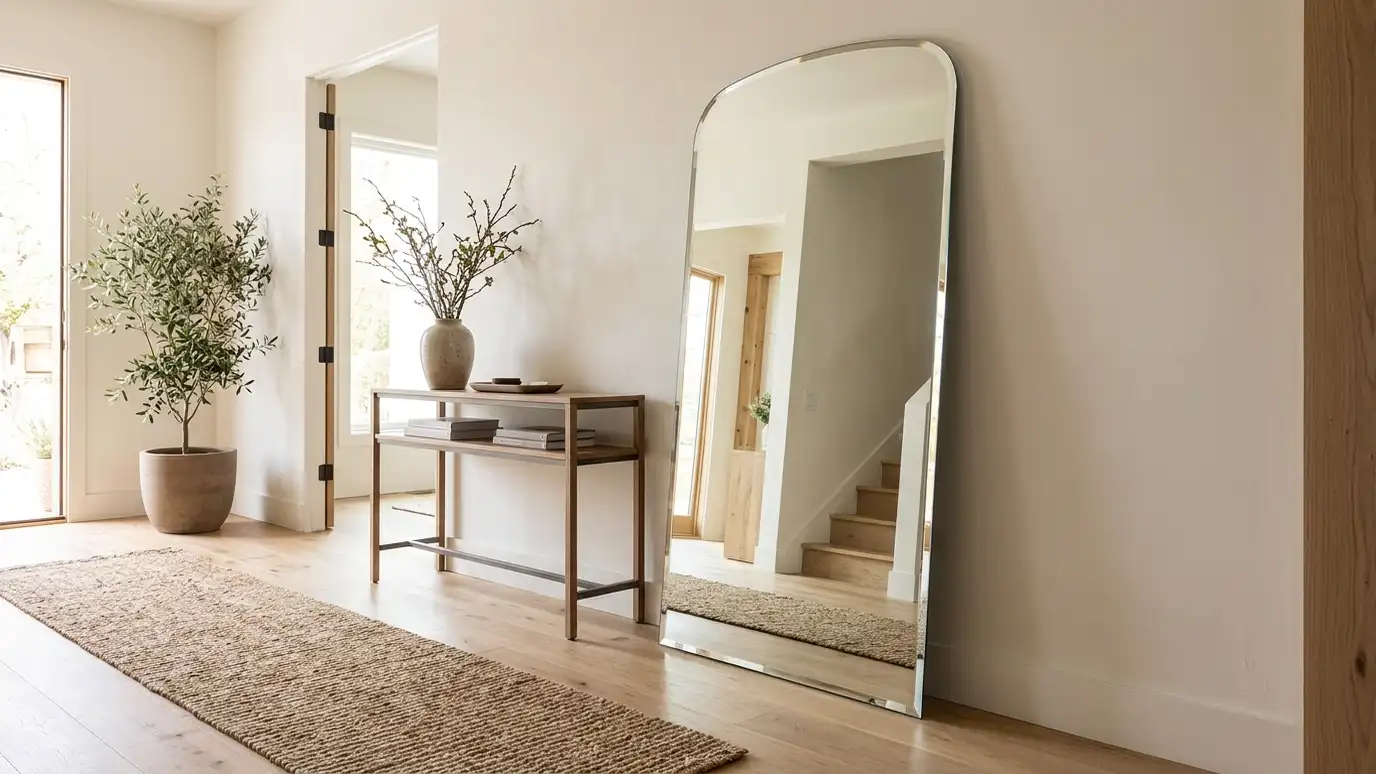
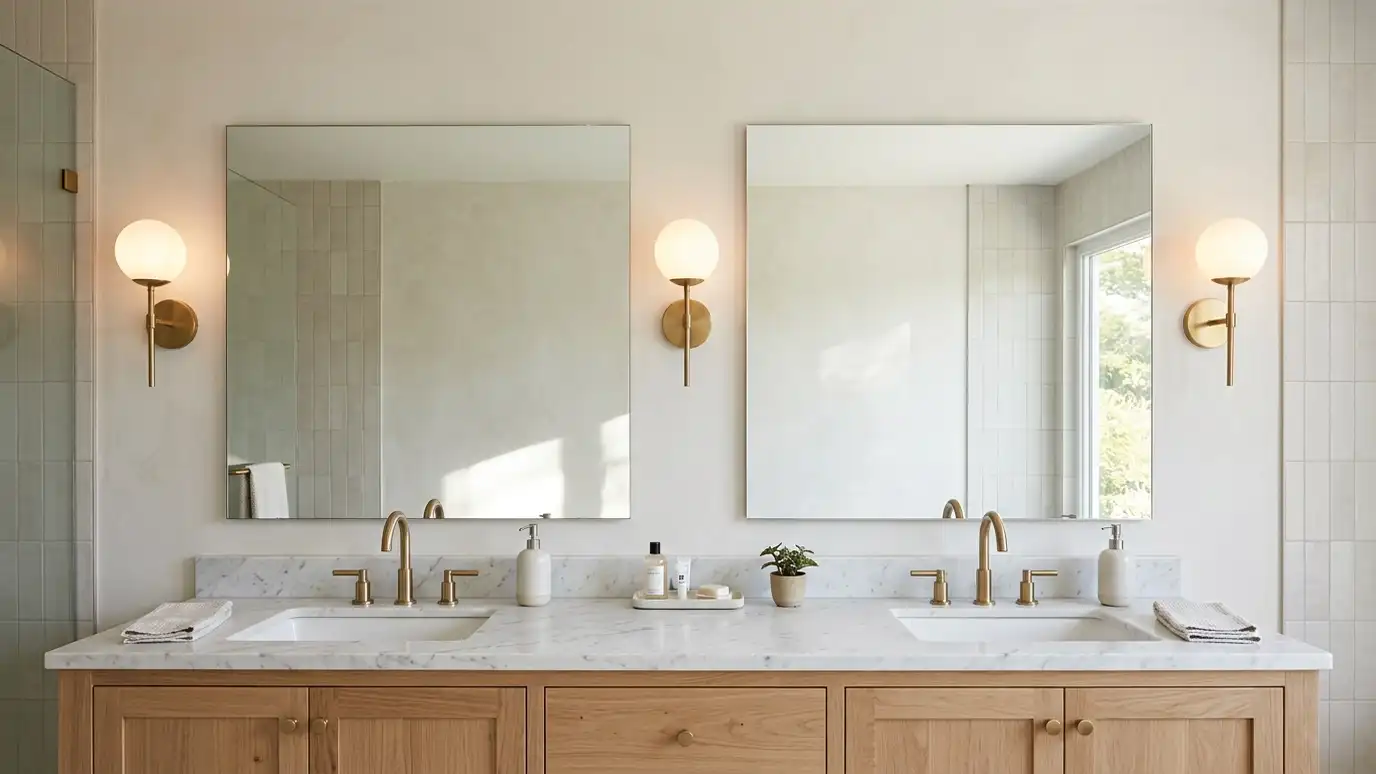
A mirror looks best when its size relates to the space around it. Over a vanity, it often matches the vanity width or runs wider. In an entry or hall, a tall mirror adds depth. On a living room wall, a large mirror can act like a window.
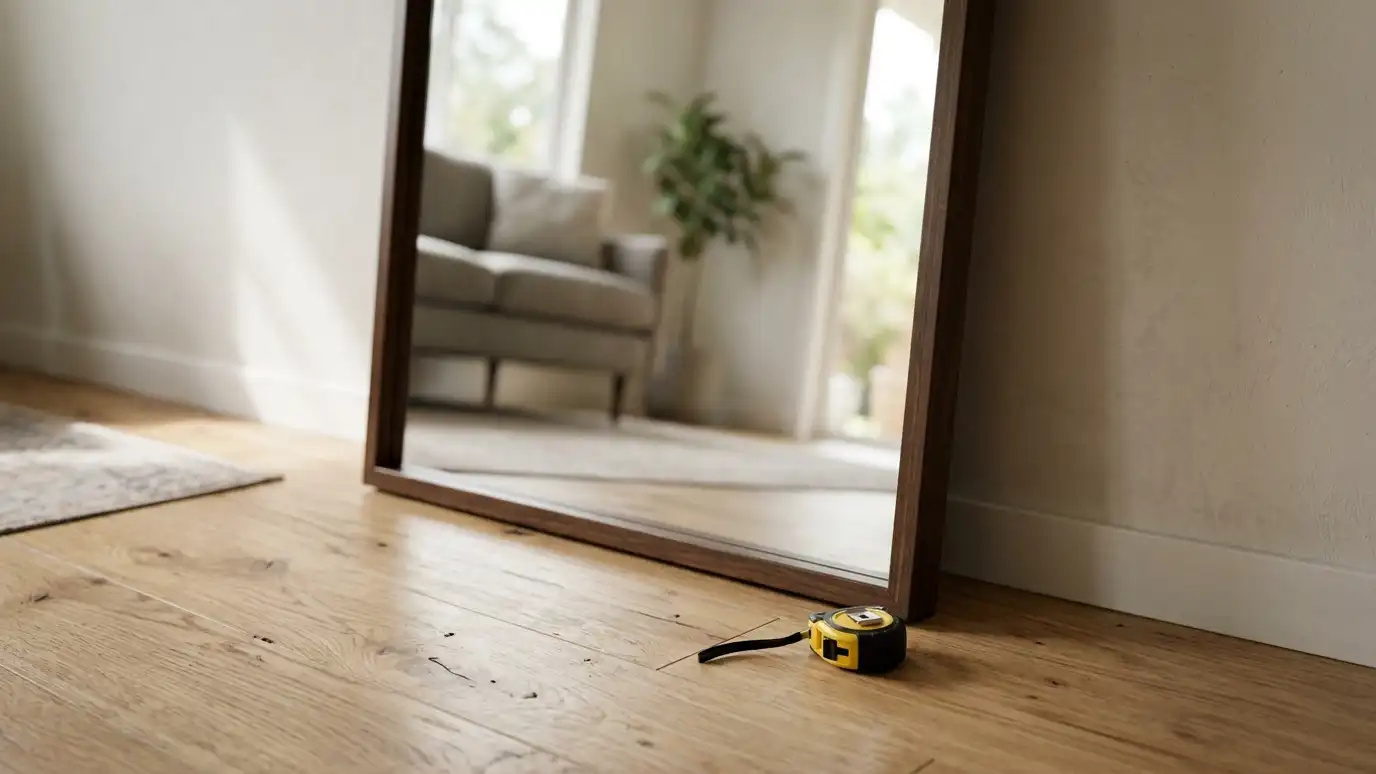
Mark the outline on the wall with painter tape and live with it for a day before you order.
Leave a little room around fixtures, switches and trim.
Think about light as well as size. A mirror opposite a window brings daylight deeper into a room, while a mirror next to a lamp can create glare. Placement matters as much as dimensions.
Choose the edge
Flat polished edges look clean and modern. Beveled edges add a classic touch and catch light. Shaped edges and curves are possible too. Edge work takes time, and the choice affects the look and the care.
In bathrooms and damp areas, sealed edges help protect against moisture.
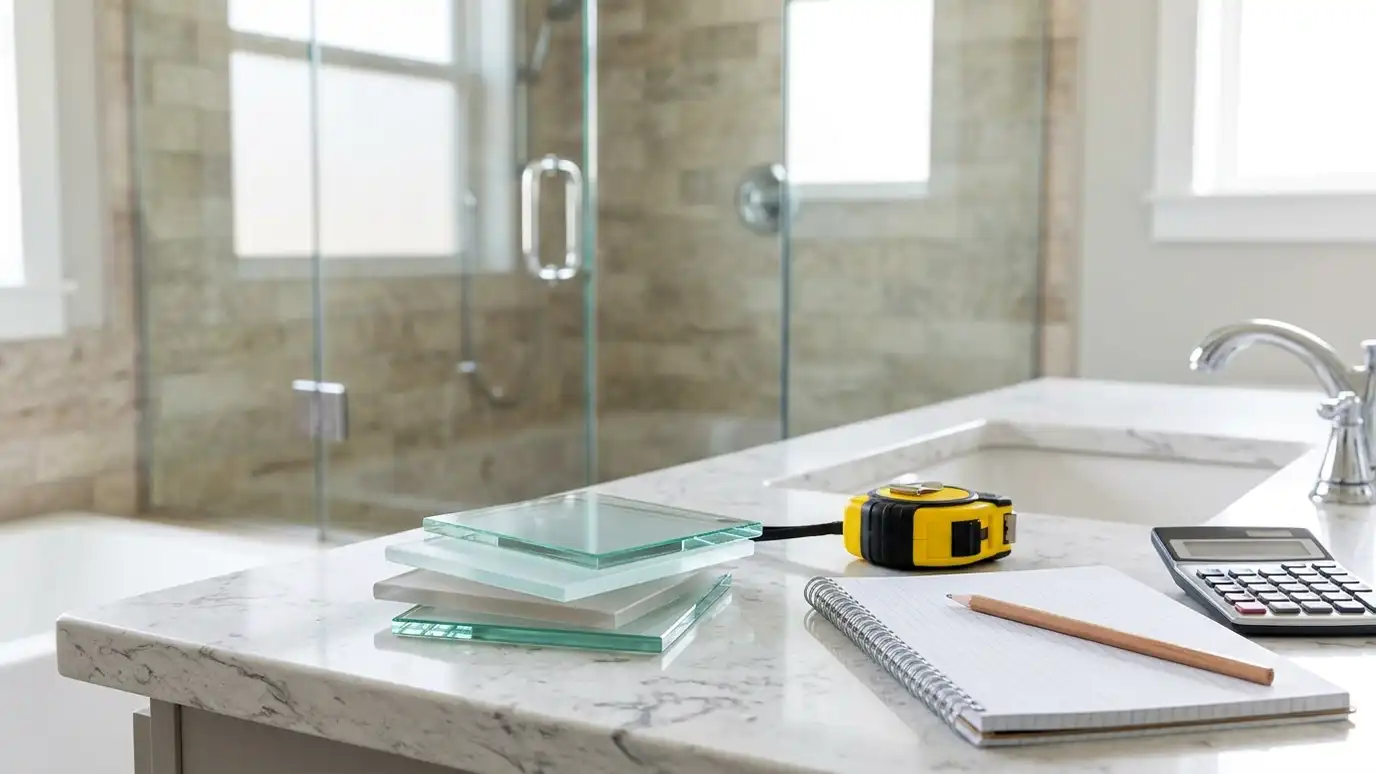
Samples show you the difference in person.
If you like a beveled edge, ask to see the width. A narrow bevel is subtle, while a wide bevel catches more light and looks more formal.
Choose the glass
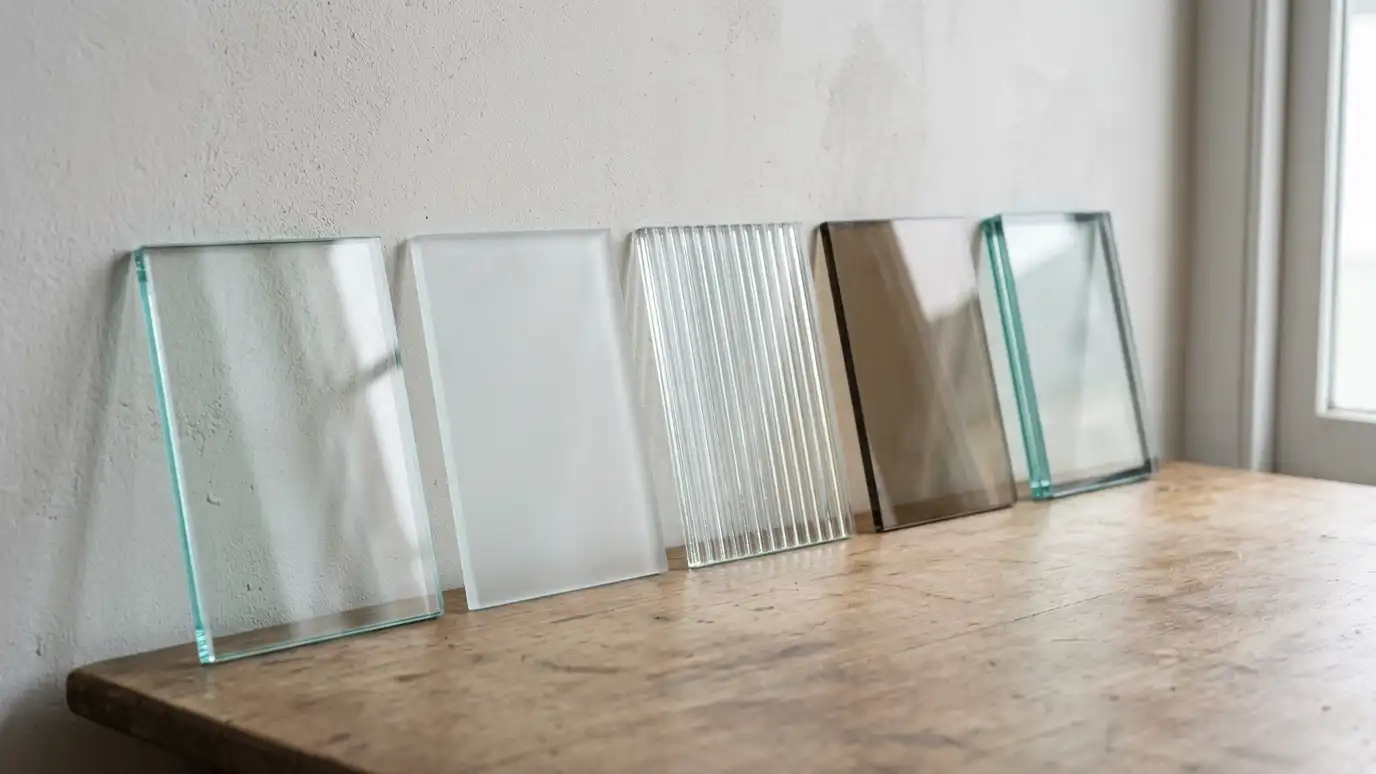
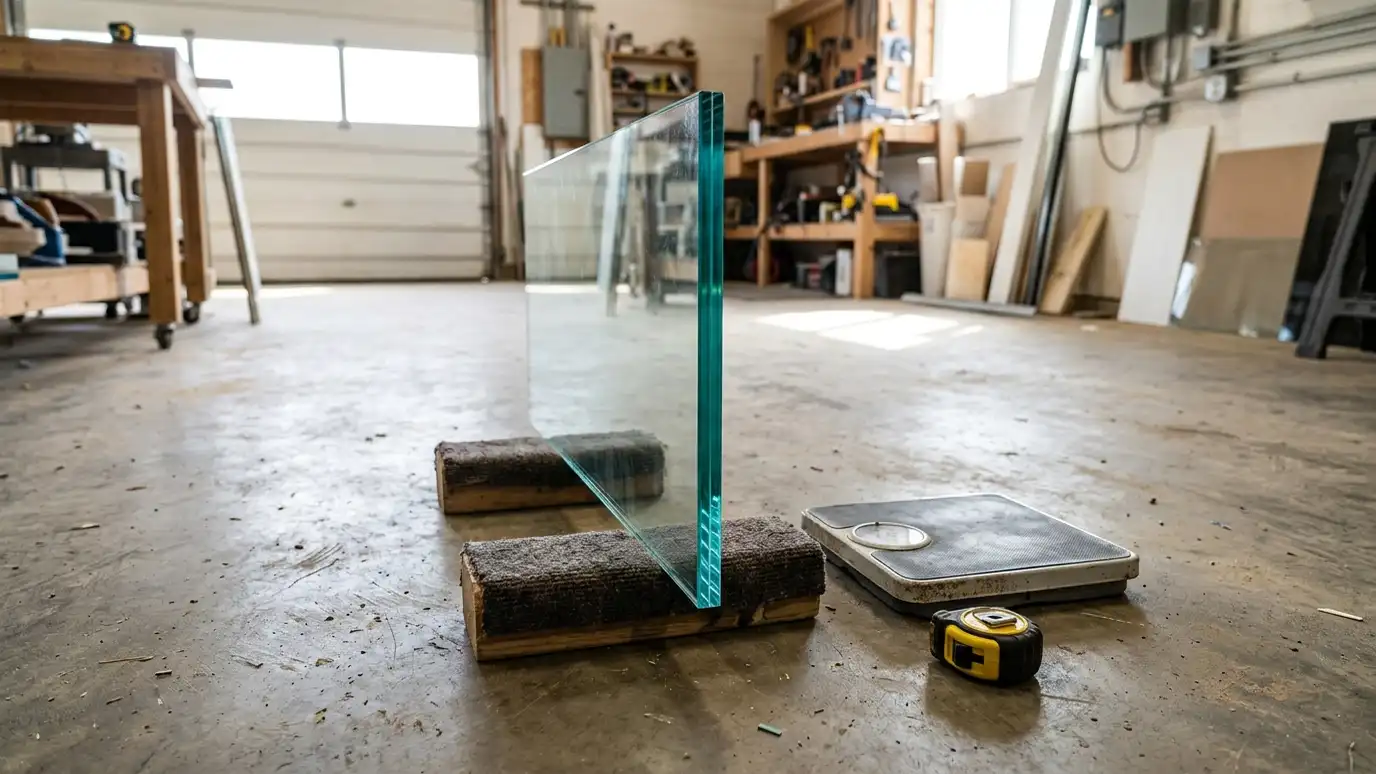
Clear mirror is standard. Tinted mirrors, such as bronze or gray, add warmth or mood. Thickness depends on the size: thinner mirrors can warp in large sizes, so bigger mirrors are usually thicker.
Low-iron mirrors reflect with less green tint.
We recommend a combination for your room.
Clear mirror is neutral, but it can look cool in a room with warm light. Bronze or gray tints can soften the effect, and a sample held against the wall will show you how it looks.
Mounting
Clips hold mirrors at the corners or along the edges. Adhesive bonds a mirror to a wall surface. J-channels support the bottom edge. Standoffs float a mirror off the wall for a designed look. Large mirrors usually combine mechanical support with adhesive.
The wall surface matters. Painted drywall, tile and plaster each need different methods.
Heavy mirrors need anchors suited to the weight.
For heavy mirrors, ask what the wall is made of and what is behind it. Studs, plaster and tile each need different anchors, and the right choice keeps a mirror secure for years.
Safety
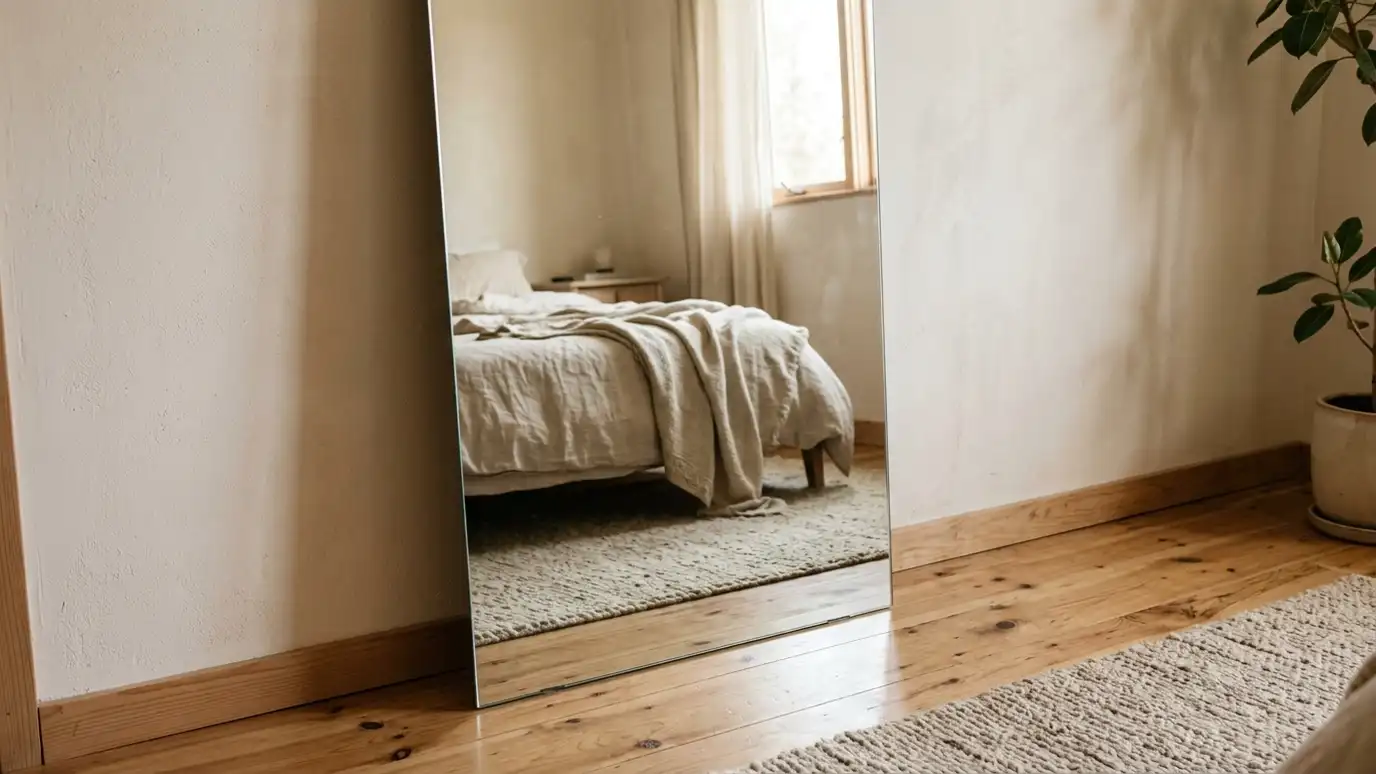
A mirror can fall if it is not mounted correctly, so the mounting should match the weight. Leaning mirrors should be anchored to the wall so they cannot tip over. Safety backing film holds fragments together if a mirror breaks.
We use safe methods for every installation.
Ask about safety film for gyms and kids rooms.
Children and busy households benefit from safety backing film, which holds the pieces together if a mirror breaks. It is a small addition that can be worth considering.
Care
Clean mirrors with a soft cloth and glass cleaner. Avoid spraying liquid onto the edges, which can seep behind the glass. Keep bathrooms ventilated to protect the backing.
If the silver at the edge turns dark, the mirror is aging, and it may need replacement.
We can remove and replace old mirrors, including those glued to walls.
Plan to wipe a mirror gently and keep liquid away from its edges. Over time, careful cleaning keeps the silvering healthy and the mirror bright.
Tape the size on the wall first, pick edges and tint from real samples and match the mounting to the weight and the wall.