Why there is no single price
Two shower doors of the same width can cost very different amounts, because the glass, the hardware and the layout are different. A standard framed slider in a common size is a short, simple job. A frameless enclosure with a door, an inline panel and a return, in low-iron glass with matte black hardware, is a much bigger one. Prices you see online are averages across very different projects, which is why they rarely match your own.
The more useful question is what the job really involves. Once a company has measured and looked at your opening, any company can price the same scope, and you can see where the money goes.
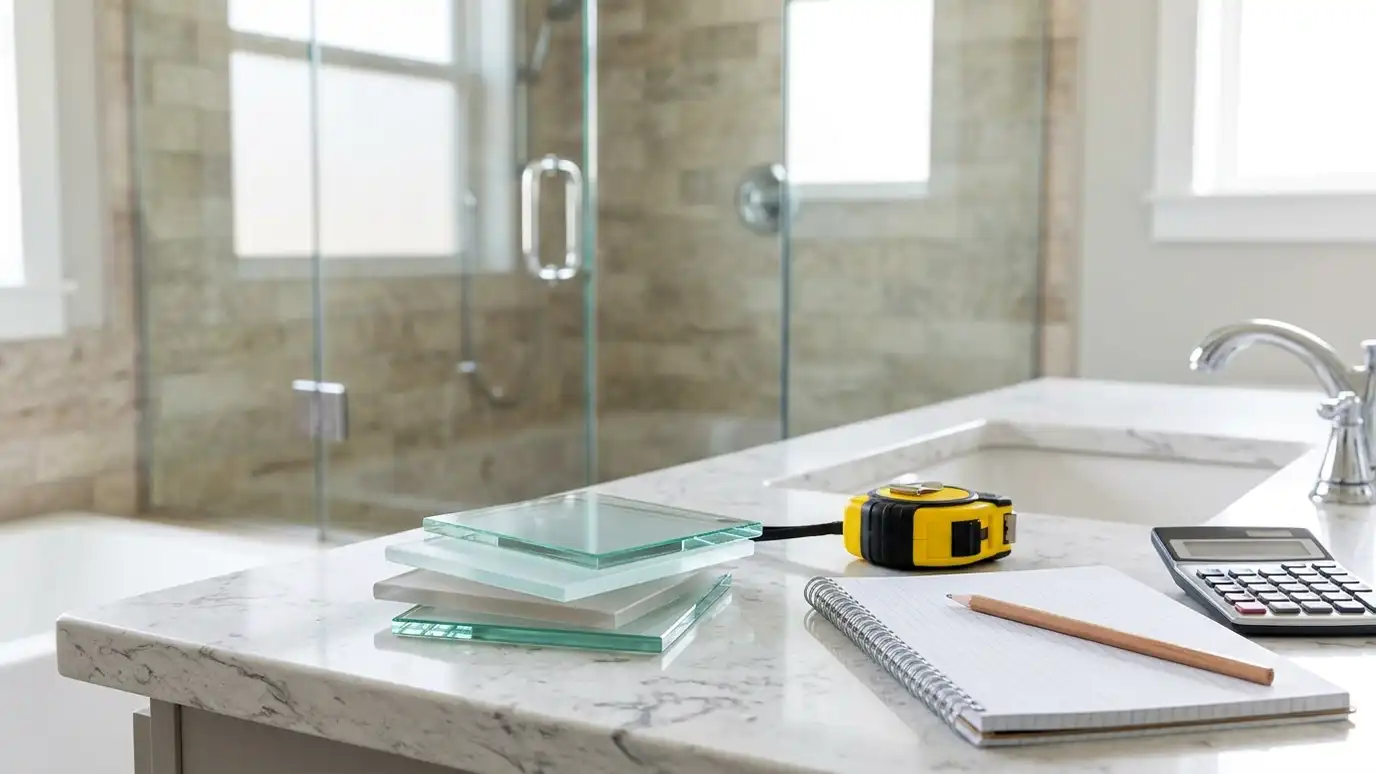
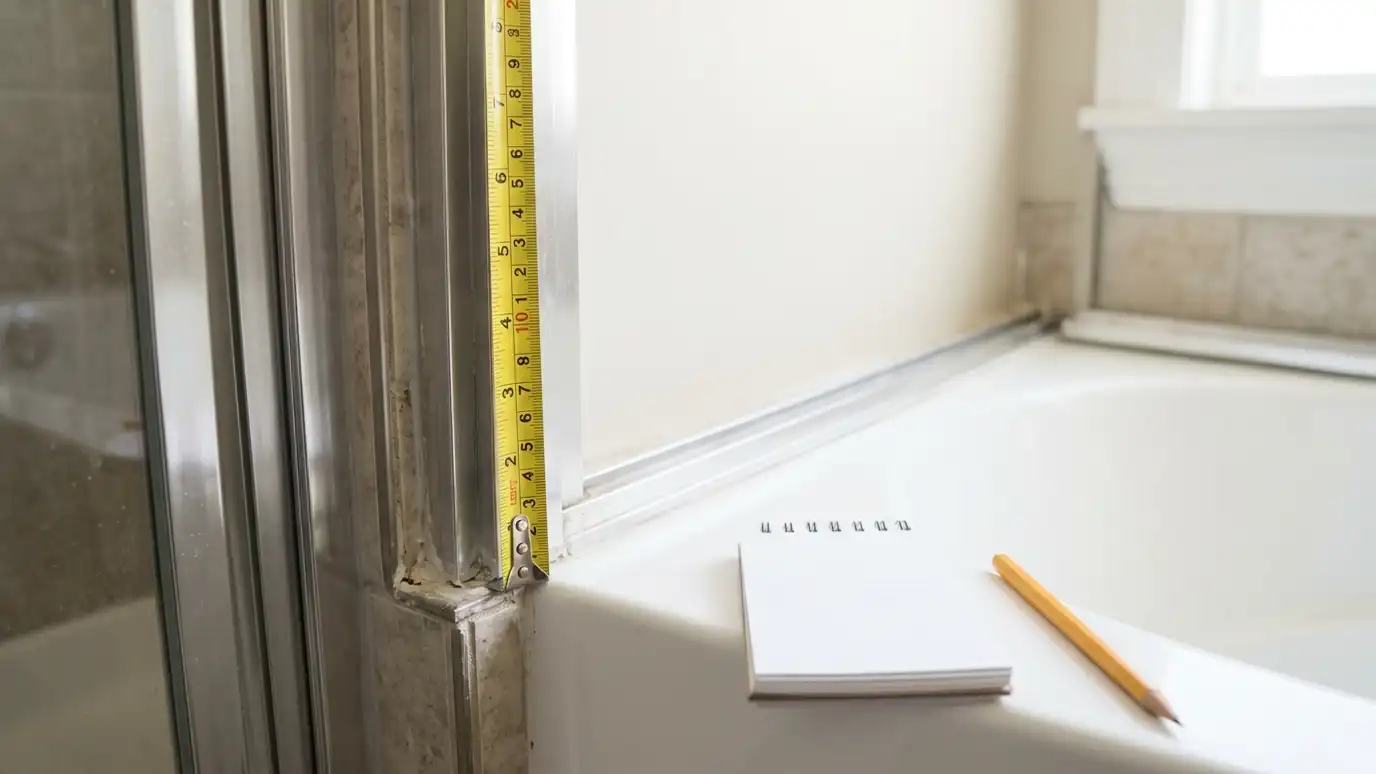
Before anyone gives you a number, note the size, the style you want, any problems you know about, such as a leaning wall or an uneven curb, and the finish level you have in mind. Those details lead to a more accurate range.
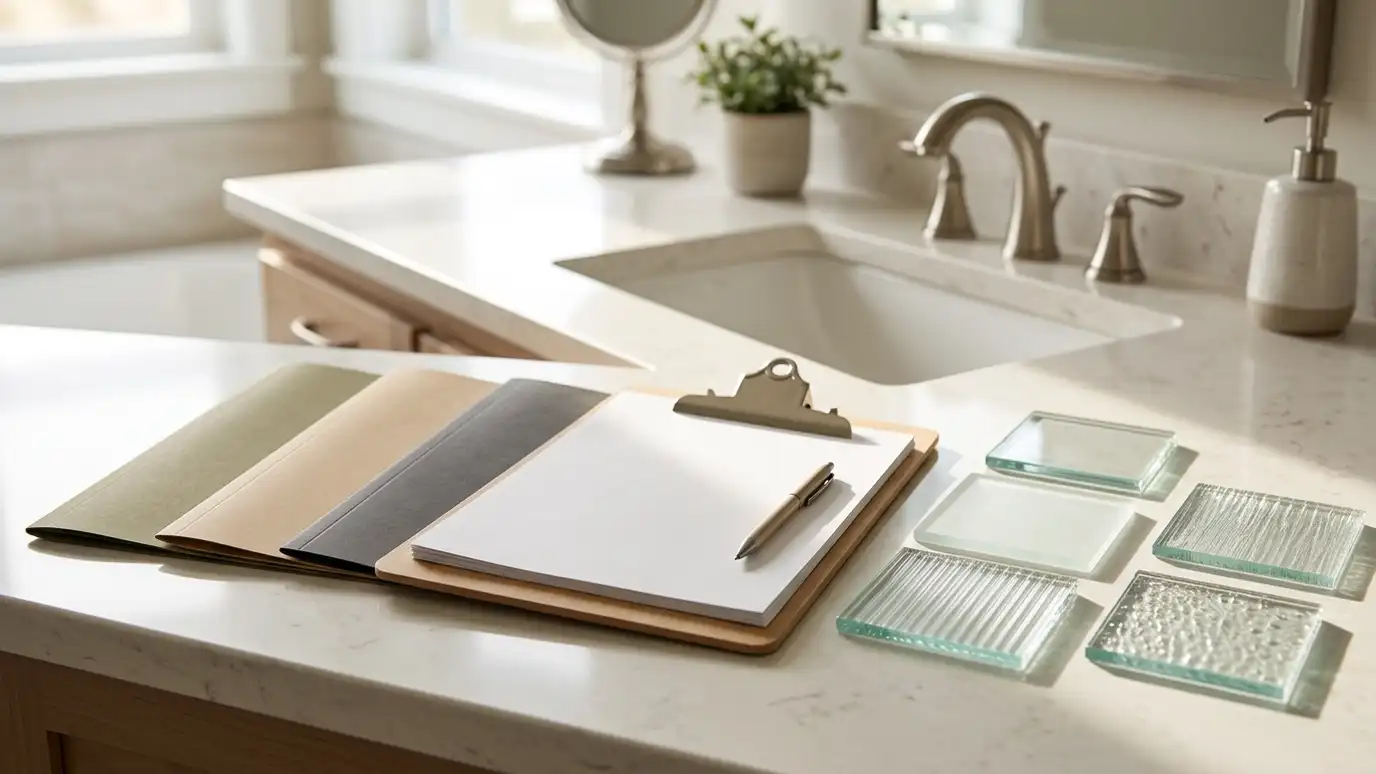
A useful habit is to write down your own priorities before comparing quotes: what matters most to you, whether it is a very clear look, the easiest cleaning, a specific hardware finish or the shortest schedule. Priorities make it easier to see which differences in a quote are worth paying for.
Glass type and thickness
Thicker glass costs more than thinner glass, and special glass costs more than standard clear. Low-iron glass has less green tint and costs more. Frosted, reeded and tinted glass each add to the cost, and laminated glass costs more than tempered.
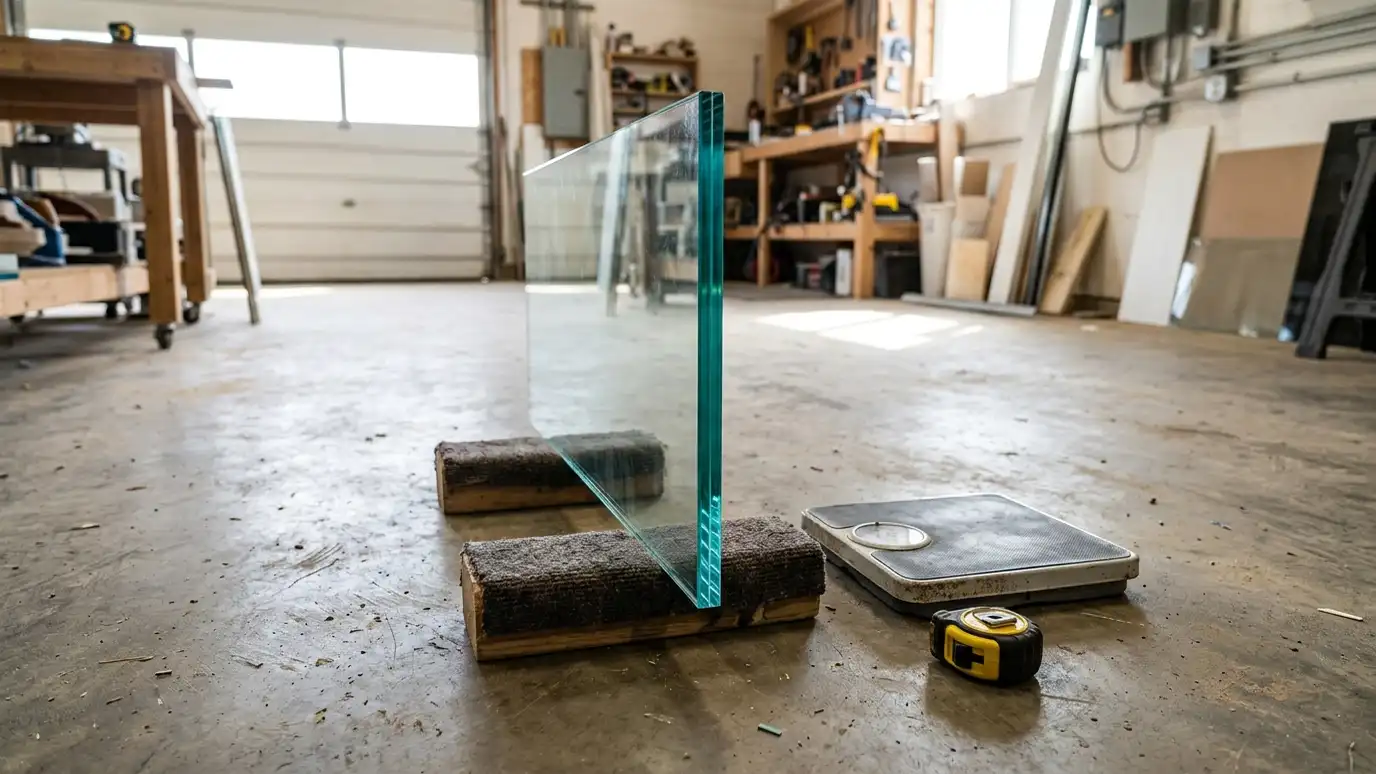
Glass is heavy, so thickness also affects the hardware needed. Thicker glass calls for stronger hinges and clamps.
Ask each company to state the glass type and thickness in the quote so you can compare like with like.
Glass thickness is a good example of a choice with tradeoffs. Thicker glass feels more solid and suits wide doors, though it adds weight and cost. A company that explains why it recommends a thickness for your door is giving you something real to compare.
Style and layout
A single hinged door is simpler than an enclosure with several panels. Corner and neo-angle designs use more glass and more hardware. Steam enclosures with transoms use even more, plus careful sealing.
Custom shapes, angled walls and unusual sizes take more time to template and fabricate.
A layout that fits your room well is worth discussing. It can change both the look and the cost.
If you are weighing two layouts, ask for both to be priced. Seeing the difference between a door with one panel and a door with a return panel in writing makes the decision much clearer than guessing.
Hardware and finish
Hinges, clamps, handles and seals vary in quality and finish. Polished chrome and brushed nickel are common, while matte black, brass and bronze can cost more. Heavier doors need heavier hardware.
Finishes can vary between makers, so matching your faucets may mean choosing parts carefully.
Ask for hardware details in writing so you know exactly what is included.
Some site issues are visible and some are not. A crooked wall is easy to see, while a hollow spot behind tile may only show when hinges are fastened. A good estimate says how surprises will be handled and who approves any change.
Site conditions
Walls that are not plumb, uneven curbs, stone that needs special drilling and tight access all add time. Upstairs installs, long carries and large panels need more people and equipment.
Old doors need to be removed and hauled away, and old caulk and residue need to be cleaned up.
A good estimate looks at the site and explains how unusual conditions will be handled.
Do not forget the smaller line items: haul-away of the old door, a protective coating, extra seals or a handle upgrade. They are easy to leave out of a quote and easy to add up later.
How to compare quotes fairly
Ask each company for the same details: glass type and thickness, hardware brand and finish, layout, seals, removal, installation and schedule. A very low quote may leave out something that matters, such as the sweep, the seals or the haul-away.
Compare the whole plan, not just the number. A clear written scope, tidy habits and good communication are worth something.
Clear answers during the estimate are a good sign of how the project will go.
Finally, remember that a clear written scope protects both sides. When every company prices the same list, the comparison becomes simple, and the project goes more smoothly because everyone knows what is included.
Get the scope in writing, ask every company to price the same glass and hardware and weigh each quote against how well it fits your room.